

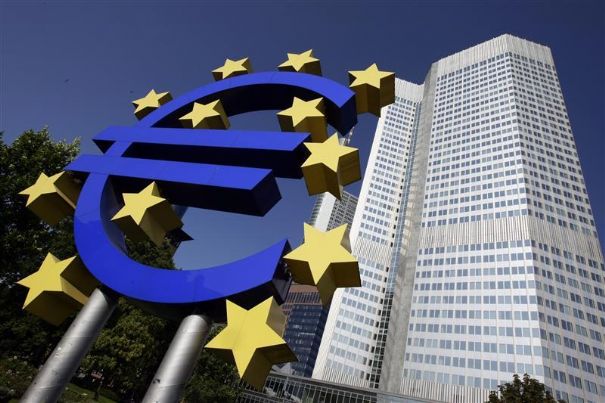
Today, the ECB kept all its interest rates unchanged, in line with our and the consensus forecast. These are the highlights of the press conference: ■ The introductory statement includes a further dovish twist to the ECB rate guidance, as reflected by this new wording: “We are resolute in our determination to maintain a high degree of monetary accommodation and…
Archivi
Servizi pay tv, l’OTT americana Netflix arriverà a Lussemburgo
Di
Netflix fornirà un servizio over the top dal paradiso fiscale nord europeo. Il colosso del web americano rinuncia alla sede francese Da quando la pay tv è entrata nelle nostre vite molte cose sono cambiate: le nostre abitudini di uso e consumo dei contenuti televisivi e il mercato televisivo in generale. In Italia gli operatori Sky e Mediaset detengono il monopolio…
Perché servono misure fiscali choc per risollevare il mercato immobiliare
Di
Gli ultimi dati diffusi dall’Istat riguardo al numero delle compravendite del terzo trimestre 2013 – così come quelli in precedenza diffusi dall’Agenzia delle entrate – confermano che la crisi del mercato immobiliare in atto dall’inizio del 2012 non accenna ad arrestarsi. LA SITUAZIONE La minore entità delle percentuali di riduzione del numero di compravendite registratesi nel 2013 ha fatto dire…

Ecco cosa significa il rimpasto di governo di Hollande. Parla Ridet (Le Monde)
Di
Un mix che cerca l’equilibrio tra le correnti della maggioranza. Così Philippe Ridet, corrispondente dall’Italia del quotidiano Le Monde, definisce il nuovo esecutivo francese. Dopo gli scandali privati e lo scarso risultato ottenuto alle elezioni comunali della settimana scorsa, il presidente François Hollande ha deciso di promuovere un rimpasto al governo che sembra essere ben accetto dalla società francese. In una…
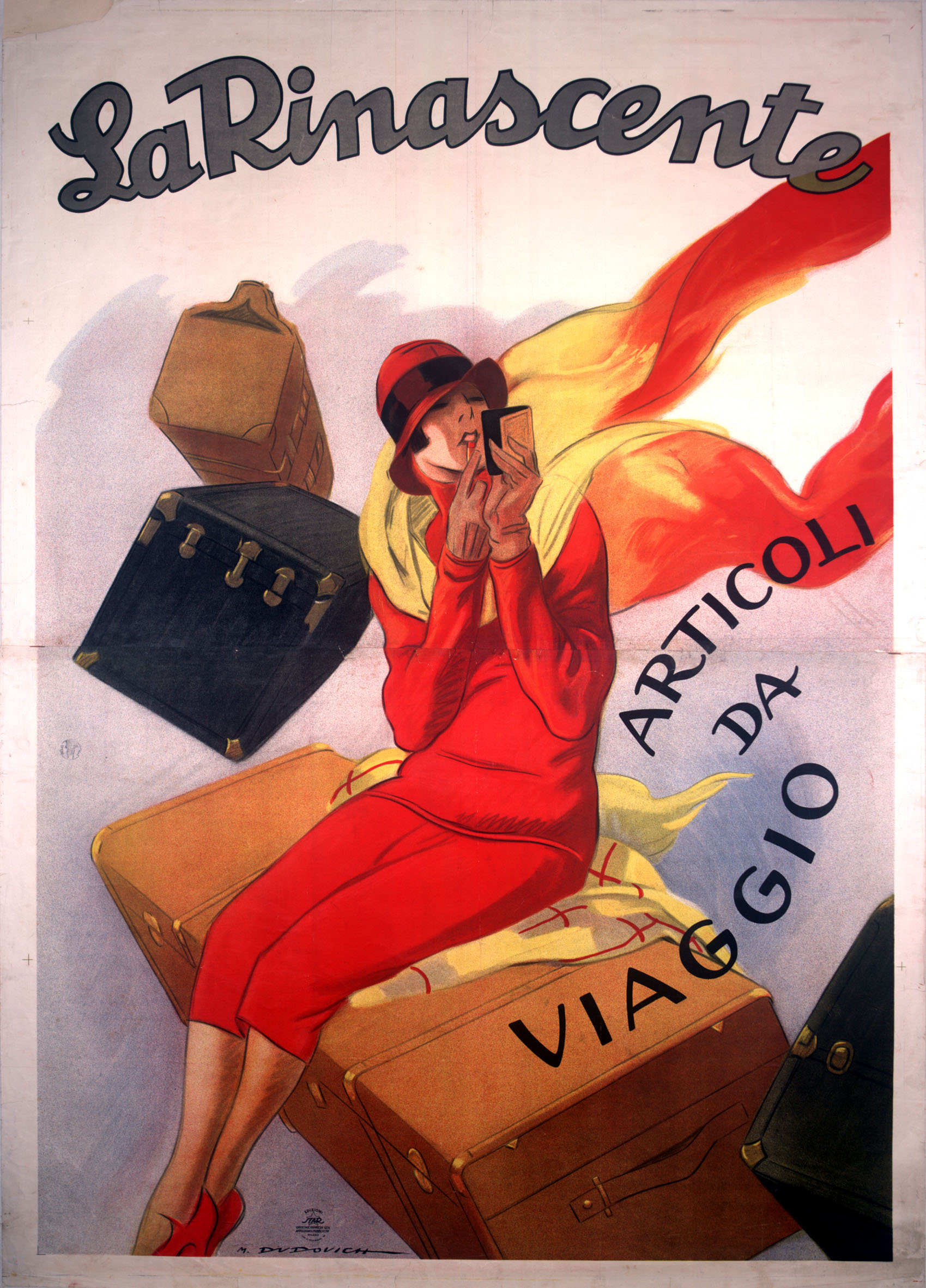
L’Italia de “La Rinascente” in attesa della rinascita - Un contributo per il Pirelli Post
Di
"Mio caro le scrivo in gran fretta. Parto tra mezzora per bombardare Grahovo[...] Il titolo per la società è questo. L'ho trovato ieri sul vallone di Chiapovan: LA RINASCENTE. E' semplice, chiaro e opportuno. Inoltre si collega col motto". - G.D'Annunzio Senatore Borletti è il fondatore, il primo presidente, l’anima della Rinascente. Figlio della Milano “parigina”, Senatore Borletti rileva i…
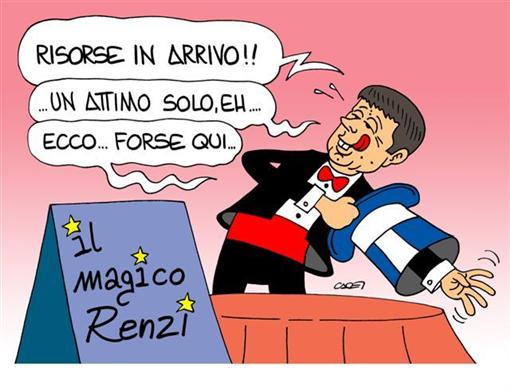
Torna la folle idea delle accise per attuare le slide di Renzi?
Di
Cercansi disperatamente coperture per il piano renziano. Con un rischio (da scongiurare). Ma andiamo con ordine. I CONTI DI REPUBBLICA In totale le misure che sono state promesse dal premier Matteo Renzi aprono un buco per 18 miliardi di euro, ma molte delle coperture si presentano incerte: le una tantum o le misure friabili pesano per più di 10 dei…
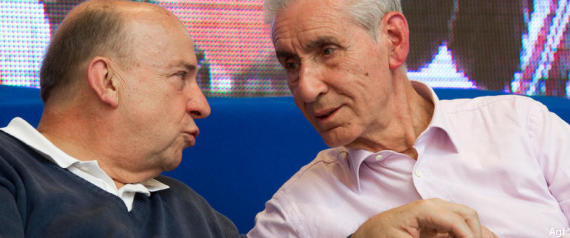
Contro il manifesto giacobino di Zagrebelsky. Parla Pellicani
Di
Non c’è solo il manifesto “Verso la svolta autoritaria” firmato da Gustavo Zagrebelsky, Stefano Rodotà e altri insigni giuristi di cui si parla da giorni. Da oggi c’è anche un contromanifesto che smonta toni e contenuti del primo, promosso da un gruppo di intellettuali liberali composto dal filosofo Giuseppe Bedeschi, dallo storico Giampietro Berti e dal politologo Dino Cofrancesco. LEGGI…
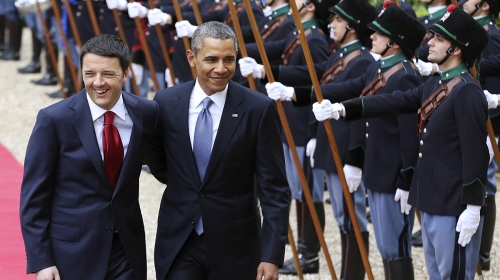
Ecco perché all'Italia non conviene tagliare le spese della difesa (e gli F-35)
Di
Repetita iuvant, deve aver pensato l'ambasciata Usa in Italia, che oggi su Twitter ha rilanciato un articolo del Washington Post che riporta nel dettaglio il contributo economico dei singoli Paesi che compongono l'Alleanza Atlantica. L'analisi fa il paio con quanto detto dal presidente americano Barack Obama nella sua recente visita a Roma, che ha ricordato come "la libertà" abbia "un costo"…
I media tra coesione e sicurezza
Di
Venerdì 11 aprile il fondatore di Formiche Paolo Messa parteciperà come relatore a una giornata di studi su "I media tra coesione e insicurezza. Dove va il giornalista italiano", nell'ambito del seminario su "Media, comunicazione e sicurezza" del XXIX Corso di Alta Formazione. All'incontro, coordinato dal prof. Mario Morcellini, direttore del Dipartimento di comunicazione e ricerca sociale dell'Università La Sapienza,…
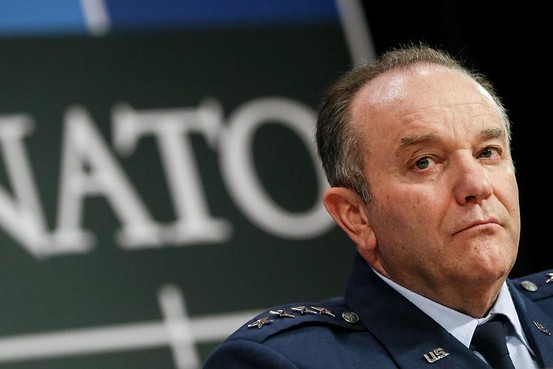
Ucraina, la crisi non è finita
Di
Il generale americano Philip Breedlove - generale a quattro stelle dell'US Air Force e capo del Comando europeo e NATO's Supreme Allied Commander Europe - è stato chiaro: le forze russe potrebbero prendere vaste aree dell'Ucraina nei prossimi 3-5 giorni. La dichiarazione si sposa bene con le foto che giravano da ieri su Twitter (da account credibili) e che riprendevano almeno…