
Make no mistake this time. The Italian vote should make investors rejoice. Here are 4 reasons why and why markets can gain from it:

a) Paul Krugman rightly called the Italian election a test on austerity. Austerity has lost. It is quite a remarkable and unique result. Italian voters have been clearer than Greek, Irish, Spanish, French, Dutch voters so far: we have said clearly and loudly that austerity is not in our best interest. If it is not in the best interest of Italians, it should not be in the best interest of markets, which most of all from Italy and Europe are expecting policies capable of creating growth.

Italy could become the igniter of a new approach to growth-oriented policies in the euro area. I did not say in Italy: I am not talking about policies that are taken unilaterally. I am talking about an alliance of the willing who so far have shown incredible shyness in fighting against austerity at the European Council table. I am talking about letting the euro Northern countries become aware once and for all of the obvious: that the suffering of Southern euro countries would one day become the suffering of the whole area.

In this sense, asking the Ecb to step-in and provide support in exchange for austerity would be a disastrous plan with severe unintended consequences that even usually sensitive opinion-makers like Ft’s Munchau seem not gauge fully.

If Italy were to submit to such a plan in the face of a spread rising to 400 or 500 basis points the coalition of the Italian voters in favor of an exit from the euro would grow substantially. So much that in a next election (which is likely to be called within the next year or so) a referendum could be called on the euro issue, and at that point it would be one that would have the serious chance of seeing Italy abandon the common currency.

There is instead ample space for sustaining an expansion of European internal demand through public spending and lower taxes that first stops and then reverses the huge growth of the public-debt ratio that austerity has generated in weakly perfoming member States. These expansions can be deficit-based in Northern countries and with a balanced budget approach in Southern countries. Italy for example has raised enough taxes in the past year to have the resources to dedicate to sorely needed public investment programs rather than to improving its primary surplus. By so doing the growth that would follow would make Italian public accounts improve, together with a boost to the competitiveness and capacity utilization of Italian firms. An element financial markets should rejoice upon, since it would make Italian capacity to repy more sustainable;

b) Growth-oriented policies should not be considered those under the uncertain label of “European-wide reforms”, that is those reforms enforced homogeneously across member states under the supervision of the European Commission. These reforms, proposed and sometimes enacted by the Monti Government, have vastly failed. Both in terms of approval (Monti’s party results having been sanctioned by the voters) and in terms of impact, two circumstances that are clearly intertwined. They have failed because they were and were rightly perceived as either irrelevant (cab reform, when nobody wanted to ride on cabs because of the recession) or damaging (labor market reform that, in the midst of a very hard recession raised the cost of hiring and made consumption demand collapse in the face of greater uncertainty about job precariousness; or a spending review that cut spending independently of whether it was good or bad spending) or erroneous (the Italian pension reform left many workers without a job and without a pension because of legislative mistakes).

All these wrong reforms that ousted Monti from political relevance are due to the fact that they were negotiated at the European level, with little knowledge of the true and non recessionary reforms that the country needs. Italy is in bad need of its own, specific, reforms over which Europe has so far helped little in forcing us to adopt them: anti corruption, public investment in critical assets that are non maintained and crumbling, university enrollment, school reorganization, support in terms of internal demand and lower red tape to SMEs. Mr. Grillo’s movement has a keen interest in some of these reforms and will likely push the debate a step forward on these issues that are critical for long-run competitiveness of Italy without generating a suicidal recession. Markets should push for this momentous occasion to ask Italy once and for all to take advantage of these few months before a new election to support those reforms.

c) An Ecb-led austerity plan in exchange for support would not only be an economic faux-pas: it would generate a political tsunami of vast proportions that would rock the Italian prospects of remaining in the euro area. The sensitivity of Italian citizens to the (wrong) impositions from Europe and the related perception of an increasing lack of a European democratic process are the 2 factors that, together with austerity, explain the success of Grillo and the defeat of Monti. Were we, in the face of a just-occurred democratic process of voting, surrender our autonomy in economic policy to a foreign-based, independent institution would be equivalent to throw 1000 burning cigarettes in a huge and dry forest: a massive destructive fire would ensue. Grillo’s party, which is not currently made by a majority of anti-euro voters, would see an immediate increase in popularity and an increasing share of its electoral base against the euro. It would be sheer folly for markets not to understand this and ask for Ecb support.

d) Finally, one word about politics. Italy’s disastrous economic performance in the past 15 years is no doubt related to the disastrous leadrship performance of many (albeit not all) of its Prime Ministers. The fact that most of these leaders (albeit one is still heavily there!) have been forced out of the Parliament or heavily penalized by the vote is a result that should rejoice markets since it enhances the likelihood of a bright future ahead of us with new leaders in traditional parties (like Mr. Renzi in the left coalition and possibly one day a new conservative leader) more likely. Also, Grillo’s MP will probably prove to be competent, much more than we think: the way they are working with the Center-Left regional government of Sicily is a prima-facie indication of this.

To sum up. Markets should rejoice. Italian voters’ courage and inventiveness give new hope and energy to a sick Europe. Any older version of politics running the sow would have seen much more of the same and that would have simply prolonged a slow death of Europe by exit of the euro of some of its most suffering members. Markets should give a chance to this new experiment, for their own self-interest, that is, just like good Adam Smith always said.

www.gustavopiga.it

Why the Italian vote is good news for financial markets

Make no mistake this time. The Italian vote should make investors rejoice. Here are 4 reasons why and why markets can gain from it: a) Paul Krugman rightly called the Italian election a test on austerity. Austerity has lost. It is quite a remarkable and unique result. Italian voters have been clearer than Greek, Irish, Spanish, French, Dutch voters so…

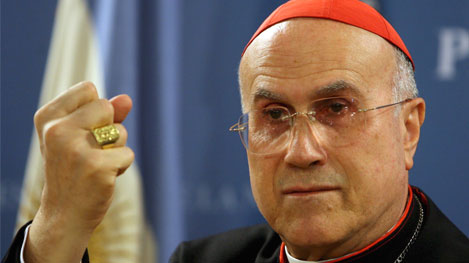
Attenzione, l'occhio di Bertone scruta tutto il Vaticano

I segreti ormai "non sono più al sicuro nemmeno in Vaticano". "Da oltre un anno infatti - rivela il settimanale Panorama nel numero in edicola da domani - email, telefoni, incontri e colloqui sono stati meticolosamente messi sotto osservazione, su incarico del cardinale Tarcisio Bertone, dalla gendarmeria vaticana guidata dal generale Domenico Giani, un ex ufficiale dei servizi segreti italiani…

Grillo sconfessa i grillini con troppi grilli politici per la testa

Il capo sono io e la linea politica la detto io. Quindi: nessuna collaborazione con nessuno in Parlamento, al massimo voteremo leggi che rientrano nel nostro programma. Beppe Grillo evidentemente non ha gradito troppo esternazioni, dichiarazioni e prime interviste di prossimi parlamentari del movimento 5 stelle che già ipotizzava collaborazioni e accordi parlamentari se non governativi. C'è chi addirittura, come…
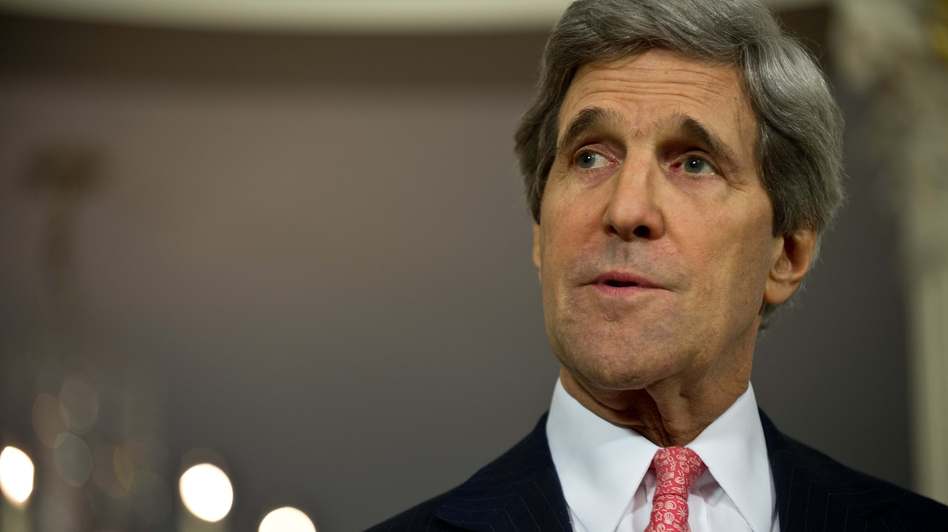
John Kerry, il ritorno dell’Atlantico

Pubblichiamo un articolo del dossier “La prima volta di John Kerry a Roma da segretario di Stato” di Affari Internazionali. “Lanceremo i negoziati per un partenariato commerciale e degli investimenti con l’Unione Europea perché il commercio equo e libero attraverso l’Atlantico sostiene milioni di posti di lavoro negli Stati Uniti”. Con questo rapido annuncio fatto durante il discorso sullo Stato…

Le sfide di Pechino in Asia centrale

L'espansione economica cinese in Asia centrale e la stabilità dell'estremo occidente della Repubblica popolare, lo Xinjiang, sono legati alla sicurezza della regione. Secondo l'ultimo rapporto dell'International Crisis Group, China's Central Asia Problem, Pechino è ormai una forza economica nella regione. Tra il 1992 e il 2010 gli scambi commerciali con i cinque stati centrasiatici sono passati dal 527 milioni di…
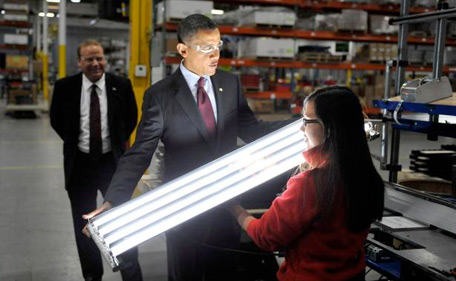
Obama strizza l'occhio alle rinnovabili

Lo scorso gennaio il Dipartimento dell'energia Usa (Doe) ha costituito il Critical materials institute (Cmi) con una dotazione iniziale di 120 milioni di dollari. L'Istituto dei materiali critici rappresenterà il centro di eccellenza nazionale nel campo delle terre rare. Questi minerali strategici, fondamentali per la produzione di turbine eoliche, veicoli elettrici, pannelli solari, ecc. rappresentano una sfida tecnologica e geopolitica,…

Occorre una soluzione alla Moro

Ci vorrebbe un Aldo Moro: per uscire dallo sprofondo del partitismo politicamente incapace di ammettere e interpretare i propri macroscopici errori; per cercare di mettersi a rovistare fra le rovine economiche provocate da speculazioni finanziarie internazionali che gruppi di oligarchi hanno avuto in gestione per non farle degenerare in imposizioni a paesi sovrani; per tornare, tutti, a rendersi conto che…
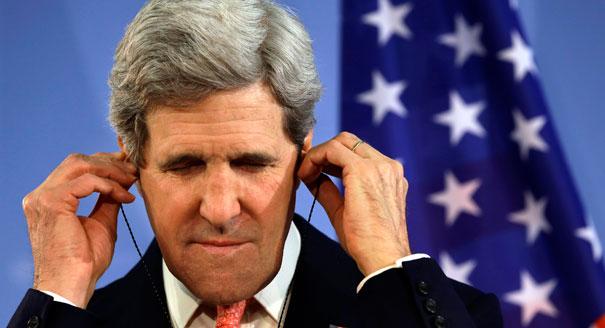
John Kerry a Roma: per la Siria, non per l'Italia

Pubblichiamo un articolo del dossier “La prima volta di John Kerry a Roma da segretario di Stato” di Affari Internazionali. Con l’arrivo del segretario di Stato statunitense John Kerry alla prima missione europea e mediorientale nel suo nuovo ruolo, la politica estera, da tempo grande assente, torna protagonista a Roma, proprio quando l’incertezza e la confusione nella politica interna sono…
Ecco i consigli delle banche d'affari americane a Bersani e Grillo

I mercati continueranno a esprimere un giudizio sul risultato delle elezioni italiane e sarà severo, poiché porterà con sé i timori che l’instabilità del Paese intralci la strada delle riforme e aumenti la debolezza dell’Eurozona. A rivelare impressioni immediate e scenari futuri sono gli analisti di tre dei più grandi gruppi bancari del mondo: Goldman Sachs, Citigroup e Merrill Lynch. MERRILL…

Cento milioni di utenti attivi per Instagram

"Oggi, siamo entusiasti di annunciare che ci sono al momento 100.000.000 di utenti attivi su Instagram. Avete letto il numero giusto: cento milioni di persone usano Instagram ogni mese!". E' con questo entusiasmo che il social network ha annunciato oggi l'ottimo risultato pubblicando anche una foto del suo team. Ma quali sono le ragioni del successo di Istagram, l'applicazione di photo…

×

Iscriviti alla newsletter