

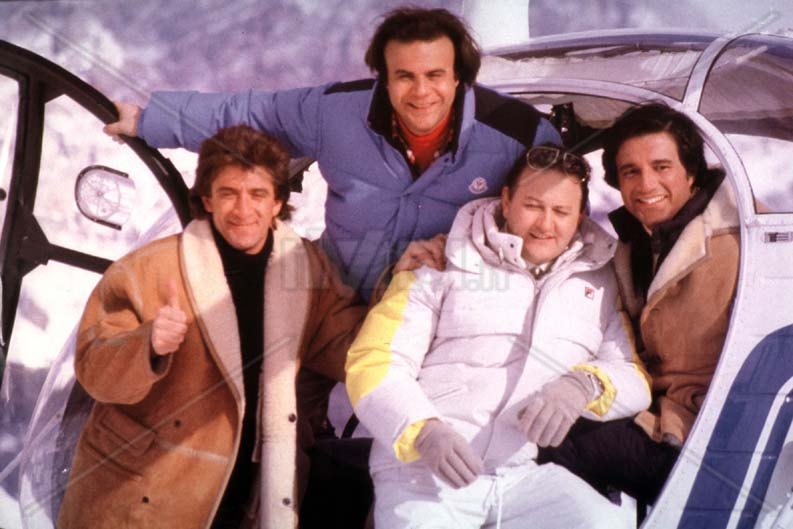
Noi giovani milanesi rampanti della seconda metà degli anni '80; noi agli inizi degli anni ’90 alle prese con i primi cellulari da bagagliaio che smontavi e rimontavi portandoteli a tracolla; noi poco cerebrali che al cinema andavamo a vedere Yuppies o Amici Miei e quelle poche volte a teatro eravamo più interessati all'amica intellettuale di turno che alla commedia;…
Archivi
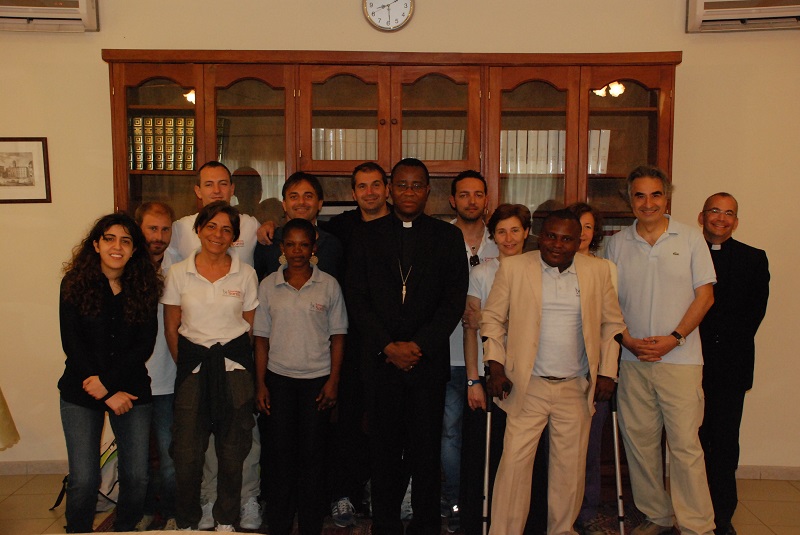
Ecco la Chiesa di Papa Francesco. Reportage dal Benin
Di
Da Cotonou (Benin). Piove. Una pioggia fitta e costante come solo in certi Paesi succede. Qui la pioggia è una benedizione, gli abitanti lasciano che scorra sul viso, sugli abiti, non esistono ombrelli. Camminiamo anche noi sotto la pioggia, fino alla Nunziatura Apostolica. Ho chiesto a sua Eccellenza Brian Udaigwe di ricevere e benedire i medici. Ecco la bandiera bianca e…
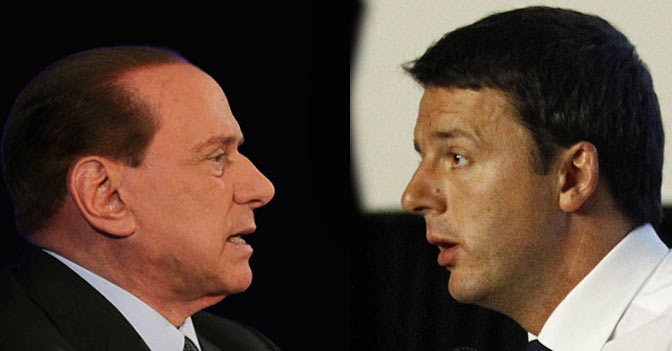
Tutti i battibecchi sull'Italicum tra Renzi e Berlusconi
Di
Pubblichiamo il commento di Federico Guiglia uscito sulla Gazzetta di Parma È cominciata la guerra a chi le spara più grosse. Il primo colpo si deve all’inventore della nuova terapia di gruppo, Matteo Renzi. Il quale, si sa, ha posto non solo il tema dei grandi cambiamenti elettorali e costituzionali da approvare, ma soprattutto le date entro cui farlo. Come…
Lo sapete che il nuovo made in Italy preferisce il mercato Aim?
Di
C’è un pattuglia di società piccole, non sempre conosciute, che rappresentano il nuovo made in Italy. Non solo e non tanto quello a cui siamo abituati a mettere sotto questa etichetta, ovvero moda, bellezza e buon cibo. Business innovativi, altamente tecnologici, verdi. Tutti fatti in Italia, da aziende che puntano sulla ricerca, che hanno la dimensione tipica della pmi nostrana.…
Chi ostacola lo sfruttamento del petrolio
Di
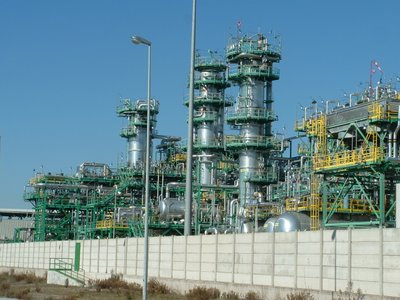
Ci sono in Italia riserve stimate di petrolio di 700 milioni di tonnellate: ai ritmi attuali di sfruttamento dei pozzi esistenti durerebbero per 50 anni. Nel momento in cui il Paese dovrebbe ridurre i costi delle importazioni energetiche ed ha un disperato bisogno di rilanciare la sua crescita nei tempi più rapidi possibili, non bisognerebbe allora puntare al pieno utilizzo…
Ucraina: nuove proteste, solito disco
Di
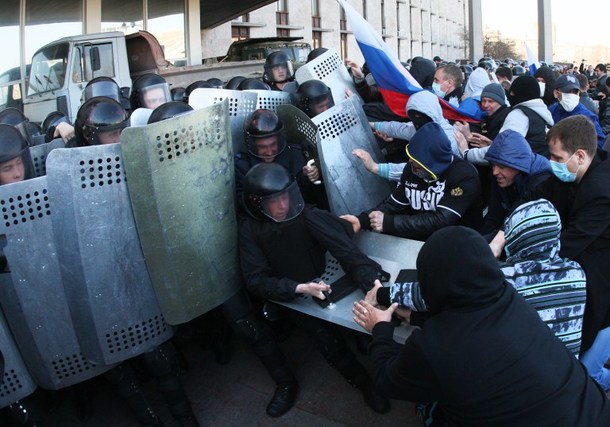
Da domenica 6 aprile le aree orientali dell'Ucraina sono oggetto di varie manifestazioni da parte di gruppi filo-russi. A Donetsk, dove si sono registrate le proteste più violente, durante un corteo alcuni attivisti si erano staccati dal cordone principale e, forzando i blocchi di sicurezza, erano poi entrati nella sede del governo locale. Si manifestava per chiedere un referendum sull'indipendenza…
Le Borse mondiali spingono la finanza sostenibile
Di
Ora è realtà: la World Federation of Exchanges (Wfe) ha dato vita al nuovo gruppo di lavoro sull'investimento responsabile e la sostenibilità preannunciato un paio di settimane fa al meeting annuale convocato in India a Mumbai. Il passo è di enorme importanza visti anche i nomi di chi lo ha compiuto. La Federazione mondiale del listini riunisce quasi tutti i…
Mario Mauro e il doppio fronte dei Popolari alle Europee
Di
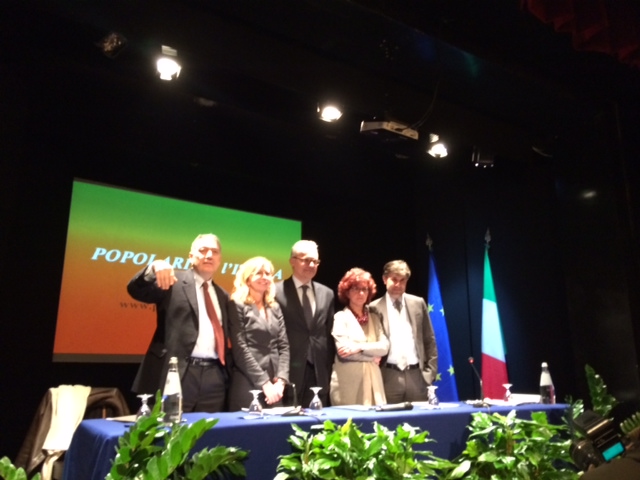
I Popolari per l’Italia non aderiscono alla lista unica Ncd-Udc per le Europee. È questa la linea ufficiale del partito di Mario Mauro. Le perplessità e i malumori hanno finito per prevalere, anche se ciò non impedirà ad alcuni esponenti del movimento di correre nella lista promossa dai partiti capeggiati rispettivamente da Angelino Alfano e Lorenzo Cesa per il voto…

Samsung, ecco come i conti piangono
Di
Nuova calo di profitti per Samsung. Il colosso dell'elettronica coreano archivia la seconda frenata consecutiva dei profitti, a causa dello stallo della domanda degli smartphone. Gli utili operativi scendono a 8 miliardi di dollari, per il rallentamento del mercato. Il primo vendor di smartphone al mondo spera che il lancio di Galaxy S5, ricco di novità, riporti in positivo gli…
India, la sfida democratica tra vecchia politica e nuovi "grillini"
Di
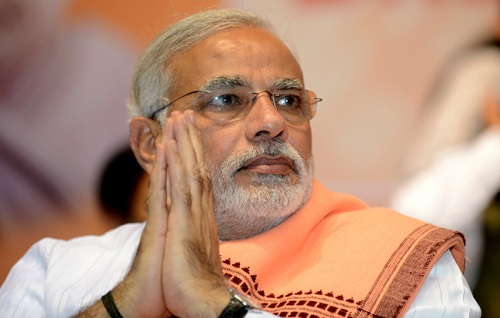
Le elezioni in India sono “il più grande esperimento democratico della storia umana”. Così aveva definito il primo processo elettorale del 1951 la Commissione elettorale indiana. Sessant’anni dopo, l’India è una delle democrazie più solide al mondo ma il processo resta complesso. Da lunedì scorso, circa 840 milioni di elettori hanno iniziato ad andare alle urne. Le elezioni in India…