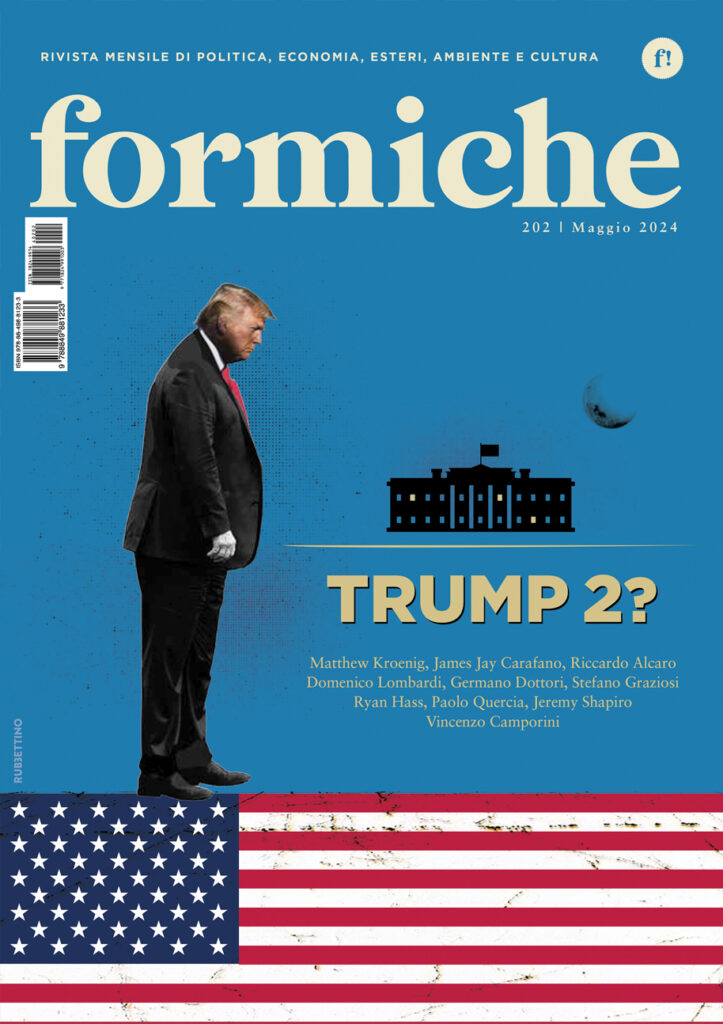


“I want to say that the government is evaluating [extending the state of emergency] on the basis of organisational and operational instances, and certainly not to exploit it, like somebody went so far as to say.” This is how the lawyer-turned-PM, Giuseppe Conte, addressed the nation through its parliament hoping to quash the mounting criticism. Members of the opposition have…
Archivi
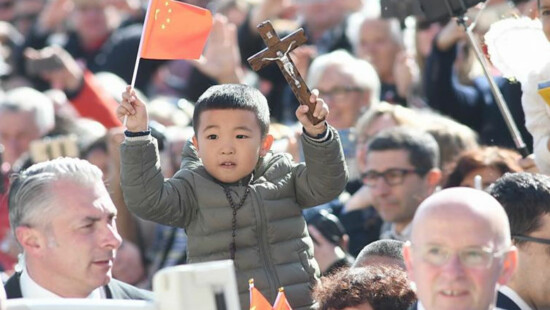
La Cina spia il Vaticano? Non è una novità ma... Parla il prof. Giovagnoli
Di
“Hacker cinesi si sono infiltrati nelle reti informatiche del Vaticano negli ultimi tre mesi”. La rivelazione del New York Times (ripresa anche da Formiche.net) sta facendo molto discutere. Tutto nasce dalle indagini svolte da Recorded Future, una società di sicurezza informatica con sede a Somerville, in Massachusetts: secondo il quotidiano della Grande Mela l’attacco è “un evidente sforzo di spionaggio…
L'ombra di Erdogan sui social media: la Turchia adotta una legge-censura. Il video
Di
L'ombra di Erdogan sui social media: la Turchia adotta una legge-censura [embedyt] https://www.youtube.com/watch?v=64g8kACi5bY[/embedyt] Il Parlamento turco ha approvato una legge che impone un controllo più pervasivo da parte del governo di Erdogan sui social media. Opposizioni e Ong hanno definito il provvedimento una legge-censura in un Paese già al centro delle critiche per la limitazione della libertà di espressione.
Così il vaccino per il Covid-19 (che non c’è) incanta Hbo e Kodak
Di
Il mondo, colpito dalla pandemia Covid-19, è alla ricerca disperata di un vaccino. Tutte le risorse sono concentrate in questo obiettivo. Sembra che alcune iniziative, come quella dell’Università di Oxford, hanno imboccato la strada giusta. Ma c’è chi già in questo percorso vede il fascino e il potenziale per raccontare una storia sulla pandemia coronavirus. È il caso di Hbo,…
Chi è Pasquale Stanzione, il nuovo Garante Privacy
Di
Pasquale Stanzione è il nuovo Garante per la protezione dei dati personali. La sua elezione è avvenuta questa mattina, all'unanimità, nel corso della riunione dell'Autorità che si è riunita nella sua nuova composizione. Sempre all'unanimità, è stata eletta anche la vicepresidente Ginevra Cerrina Feroni. Stanzione, giurista, è stato professore ordinario di Istituzioni di Diritto Privato presso la facoltà di Giurisprudenza…

Online come offline. Ecco la nuova strategia di sicurezza Ue
Di
Alzare gli standard di sicurezza informatica per le infrastrutture critiche; rafforzare la lotta al terrorismo e alla criminalità organizzata; preparare i 27 alle minacce emergenti in ambienti “reali e digitali”. Sono le linee guida della nuova strategia dell’Unione europea per la sicurezza per i prossimi cinque anni (2020-2025). “Stiamo collegando tutti i punti per costruire un vero ecosistema di sicurezza”,…

Mari italiani più puliti post lockdown. La ricerca dell'Ispra
Di
Chi ha scelto di trascorrere le proprie vacanze al mare, (e come ogni anno sono la maggioranza degli italiani e quest’anno ancora di più nei mari di casa nostra per le note vicende legate al Covid-19), troverà acque più pulite e ambienti più accoglienti, grazie anche alle misure predisposte per combattere l’emergenza sanitaria (quando sono messe in pratica, naturalmente, e…
Interferenze straniere in Italia. L'audizione di Gabriele Carrer (Formiche.net) alla Camera. Il video
Di
Gabriele Carrer di Formiche.net in audizione alla Camera sulle interferenze straniere in Italia [embedyt] https://www.youtube.com/watch?v=BVTDBmXVcvI[/embedyt] Il giornalista di Formiche.net Gabriele Carrer in audizione presso la Commissione Esteri della Camera dei Deputati in merito all'indagine conoscitiva sulle eventuali interferenze straniere sul sistema di relazioni internazionali della Repubblica italiana. Fonte: Camera web tv
Figlio, coronavirus ed economia. Gli ultimi grattacapi di Trump
Di
Un cartellino rosso ‘temporaneo’, stile hockey o pallanuoto, sventolato da Twitter a Donald Trump jr, che consiglia di vedere un video della discussa ginecologa di Houston Stella Immanuel, diventa il caso del giorno della campagna elettorale per Usa 2020: papà Donald difende il figlio e il video, la dottoressa Immanuel e l’idrossiclorochina; e non si parla quasi d’altro. Ciò mentre…
Appuntamento in Iran per Russia e Cina
Di
Molto si è scritto dell’intesa – per adesso poco più di una promessa – fra Cina e Iran che dovrebbe far salire di livello le relazioni fra i due paesi. Assai meno si è scritto del recente e notevole avvicinamento dell’Iran all’orbita russa, culminato, un paio di anni fa, nella sigla di un accordo commerciale con l’Unione euroasiatica di Putin, al quale è seguita un’intensa…