
Few really grasp the implications that the 5G revolution will bring about, but the military – famously a catalyser, and early adopter, of technological progress – is striving to keep ahead of the curve.

As 5G tech becomes more commonplace, the digital prowess available to citizens (and the army) will increase dramatically. However, the same will apply to the number of sensitive information, appliances and strategic assets that will need securing.

Today Italy’s 5G equipment is being trialled, and it’s set to become available in spring 2021. Still, the country is lagging behind, both in terms of 5G diffusion and security, owing to the fact that the process is being obstructed by bureaucracy, the pandemic, and the geopolitical contest between the US and China, where tech is a crucial battleground.

On that matter, the Italian defence minister Lorenzo Guerini warned that as far as strategic infrastructures are concerned, there is no trade-off between China and the US. The latter remained Italy’s ally in virtue of “the extreme solidity” of their relation based on “history, shared values, culture, and human links.”

As such, Italy’s European positioning – and its commitment to contribute to a joint European defence – must be read as part of an effort to reinforce “the European pillar of the transatlantic Alliance.”

In saying so, Mr Guerini offered a Transatlantic alternative to the Eurocentric idea of defence autonomy set out by the French President Emmanuel Macron. The Italian defence minister aligned with several of his European counterparts (including the German minister).

With regards to China and its tech companies – some of which, like Huawei, are accused of espionage by the US –, Italy and the EU consider them to be “high risk vendors.” The issue is essentially legal, as Chinese law allows the government to access the companies’ data (and that of their clients) if need be, posing potential security risks for foreign countries.

Aware of that risk, Italy has been striving to prop up its cybersecurity through the construction of a “digital perimeter,” which upon completion will entail the careful examination and selection of non-EU equipment in conformity with high security thresholds.

Thus, in creating a future-proof and secure network, working with allies becomes vital. And, insofar as the Italy-US collaboration goes, there is “excellent cooperation” within security, defence, and aerospace industries, according to the US ambassador to Italy, Lewis Eisenberg.

The ambassador was speaking at the American Chamber of Commerce in Italy (AmCham) presentation of its White Paper on Thursday. As he is nearing the end of his mandate (or at least, “he presumes” as much), he took stock of the cooperation between Italian and American defence industries.

“Bilateral collaboration is important, and it will continue to be,” he said, “not only in commercial, but also in security terms.” Mr Eisenberg mentioned the “exceptional” collaborations between defence industries, such as those involving Boeing, Lockheed Martin and Leonardo.

However, more can be done. Alessandro Profumo, CEO of Leonardo, noted that AmCham’s paper highlighted “the clear need for an additional leap forward in the relationship between Italy and the US.”

Citing the established presence of his company in the US, he envisioned an upscaling of Italy’s role of partner and supplier, through a “systemic approach” that would grant the country more weight in the various industrial collaborations – with a little help from Italian institutions.

us elections

On 5G and NATO, Italy knows where to stand, says defence minister Guerini

The 5G revolution, its implications for cybersecurity, how well Italy is dealing with it, and the best geostrategic bet for securing the country. Featuring the Italian defence minister and the US ambassador to Italy

Usa, basse probabilità di una transizione pacifica tra Trump e Biden per i sondaggi. Il video

Usa, basse probabilità di una transizione pacifica tra Trump e Biden per i sondaggi [embedyt] https://www.youtube.com/watch?v=dK2-Z5Q9juU[/embedyt] Milano, 20 nov. (askanews) - Un nuovo sondaggio di YouGov per The Economist rileva che il 74% degli elettori repubblicani crede che ci siano state "molte" frodi elettorali nelle elezioni, rispetto al solo 6% dei democratici. L'indagine su 1.500 elettori, condotta tra il 15…

Così Bergoglio cambia l'economia. Il commento di Becchetti

Con la Bergoglionomics l’economia non è più scienza triste ma ricerca delle condizioni della ricchezza di senso e soddisfazione di vita. Non è buonismo o solo buone intenzioni. Il commento di Leonardo Becchetti, economista e relatore al grande evento in corso ad Assisi

Carestia, interferenze e droni. Ecco la guerra in Yemen

Le denunce saudite su droni esplosivi diretti dagli Houthi contro i civili in Arabia. Le interferenze dell’Iran, la pressione militare e la richiesta di pace “immediata” da parte dell’Onu

La manovra anti-Covid funziona, ma non basta. Parla Vincenzo Visco

Intervista al più volte ministro delle Finanze e del Tesoro: giusto in questa emergenza sostenere imprese e famiglie ma bisogna anche pensare al dopo. Sarebbe ora di mettere in piedi un serio e credibile piano di investimenti pubblici, l’unica vera polizza sulla crescita. Ma non vedo la giusta attenzione sulle risorse del Recovery Fund
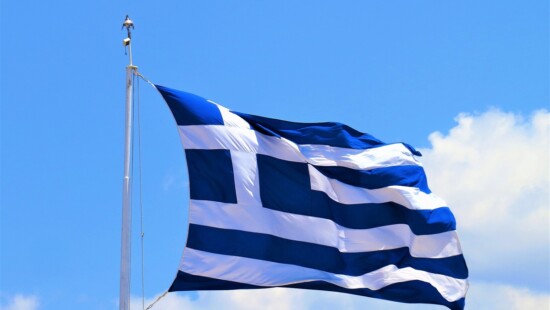
Nuove fregate alla Grecia. Così gli Usa sorpassano la Francia

Nuove commesse militari per i cantieri navali ellenici e l’ipotesi di 4 fregate Usa spingono l’alleanza tra Washington e Atene: in ballo anche le navi cisterna per il gas
classe dirigente

Prinetto (Cini) spiega perché la fondazione cyber è necessaria

Per Paolo Prinetto, direttore del Laboratorio Nazionale Cybersecurity del Consorzio interuniversitario nazionale per l’informatica, è “indiscutibile” l’esigenza di un Istituto italiano di cybersicurezza: “Siamo protagonisti in Europa ma senza quel pezzo…”

Carri armati, spazio e droni. Ecco dove la Difesa europea può fare di più

Sono ben 55 le aree di cooperazione possibile per la Difesa europea. Le ha individuate la prima edizione della “Card”, la revisione redatta dall’Eda e presentata oggi ai ministri della Difesa da Borrell. È la terza gamba delle ambizioni di Bruxelles, dopo Edf (su cui prosegue lo stallo) e la Pesco (per cui si prova ad accelerare)

Cosa serve all'export della Difesa. Il punto di Di Bartolomeo (Leonardo)

G2G, strategie industriali, innovazione disruptive e pianificazione. Ecco cosa ha detto in Commissione Difesa di Montecitorio Pasquale Di Bartolomeo, chief commercial officer di Leonardo. L’azienda segue il piano strategico Be Tomorrow 2030
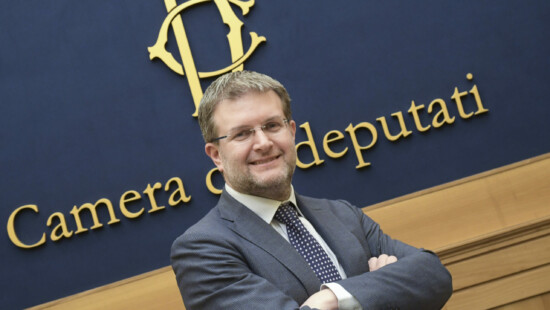
Il centrodestra (unito) e le sue priorità. Parla Fidanza (FdI)

Le defezioni di Forza Italia verso la Lega? “Smottamenti fisiologici”. Carlo Fidanza, europarlamentare di Fratelli d’Italia invita il centrodestra a non cedere alle sirene governiste e a rimanere unito in vista delle amministrative: “Solo uniti abbiamo chance di vittoria”


×

Iscriviti alla newsletter