

News broke on Sunday that China is building a sprawling and detailed database on millions of prominent people around the world, mainly harvesting open source data to “support influence and intelligence operations.” The database was leaked to professor Christopher Balding, an academic who lived and worked in China. He then shared his findings and the massive database built by Zhenhua…
Archivi
Altro che Huawei, Pompeo scommette sul 5G occidentale
Di
Il segretario di Stato americano Mike Pompeo è “fiducioso” verso il 5G occidentale e verso la possibilità che i concorrenti della cinese Huawei possano garantire simili costi e dominare le telecomunicazioni. Intervenendo a un evento online dell’Atlantic Council, il capo della diplomazia statunitense ha spiegato che gli alleati sono arrivati a riconoscere i costi — economici e politici — di…
Prove di Difesa interplanetaria. Ecco i progetti di Nasa ed Europa contro gli asteroidi
Di
Come difendere la Terra da un asteroide che punta dritto verso di noi? La minaccia non è ancora concreta, ma in futuro potrebbe rappresentare un rischio importante (se non vitale) per il nostro Pianeta. E così da diversi anni è partita la Asteroid Impact & Deflection Assessment (Aida), collaborazione internazionale tra le due sponde dell'Atlantico che vuole scoprire se siamo…

Cyberdiplomazia, così l’Ue vuole contare nell’arena digitale
Di
Attacchi informatici, disinformazione (Borrell cita le campagna da Cina, Russia e altri sotto il coronavirus), blackout elettrici, interferenze elettorali, sicurezza del 5G: come può l’Unione europea essere parte di questo mondo e far fronte a queste sfide? La parola chiave è cyberdiplomazia. È quanto sostenuto da Josep Borrell, Alto rappresentante dell’Unione per gli affari esteri e la politica di sicurezza,…

Il Recovery Plan tra aerospazio e difesa. Ecco cosa smuove il settore
Di
La fibrillazione intorno ai 209 miliardi che l'Italia riceverà dal Recovery Fund coinvolge anche il settore dell'aerospazio e difesa. In queste settimane, i ministeri di Difesa e Sviluppo economico, i vertici militari e aziende e associazioni di categoria sono impegnati in una serie di riunioni e incontri per capire quanto e come è possibile destinare al settore. Una certezza emerge…

Così l'Iran aggira le sanzioni per tendere la mano a Maduro. Mentre gli Usa...
Di
Una nave cisterna iraniana, con una carica di due milioni di barili di gas condensato (materiale principale per la produzione di benzina) è arrivata in Venezuela, nonostante le sanzioni internazionali. L’imbarcazione chiamata Honey è una superpetroliera iraniana di tipo VLCC. È arrivata alla raffineria Terminal Rifornimento nello stato Anzoátegui, al nordest del Venezuela. Ed è riuscita a navigare perché aveva…
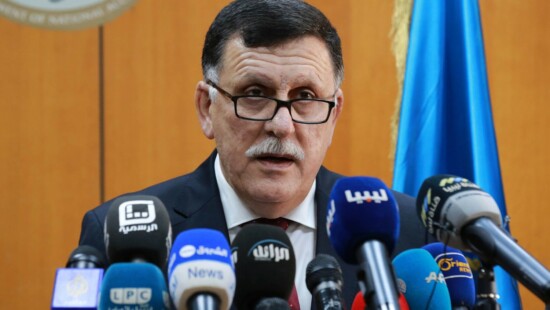
Serraj si dimette? La notizia di Bloomberg, smentita di Tripoli (via Mosca)
Di
Secondo quanto rivelato a Bloomberg da varie fonti anonime, il premier libico Fayez al Serraj starebbe sul punto di dimettersi. Notizia smentita dal ministro del Lavoro di Tripoli, Mahdi al Amin, che ha parlato con Sputnik – un media che diffonde in diverse lingue la visione del Cremlino. Qui, prima di andare avanti, val la pena ricordare che l’idea sulla Libia in Russia è piuttosto complessa:…
Conte agli studenti a Norcia: "Se perdiamo la sfida del Recovery Fund mandateci a casa". Il video
Di
Conte agli studenti a Norcia: "Se perdiamo la sfida del Recovery Fund mandateci a casa" [embedyt] https://www.youtube.com/watch?v=7ReRSd2tavg[/embedyt] Norcia, 15 set. (askanews) - Se il governo perde la sfida del Recovery fund "avete il diritto di mandarci a casa" ha detto il premier Giuseppe Conte agli studenti dell'istituto superiore di Norcia Roberto Battaglia assicurando che una parte dei fondi saranno dedicati…
Meno debito (dal 2021) e buono. Il pro memoria di Gualtieri sul Recovery Fund
Di
Vade retro spesa corrente. Il Recovery Fund non sarà mai un'abbuffata di spesa inutile e poco redditizia, potrà essere solo ed esclusivamente una cosa: spesa in conto capitale, ovvero quella parte di spesa pubblica destinata agli investimenti. A un mese esatto dall'invio a Bruxelles del corposo piano di riforme su cui dirottare la quota di risorse (209 miliardi) messe a…
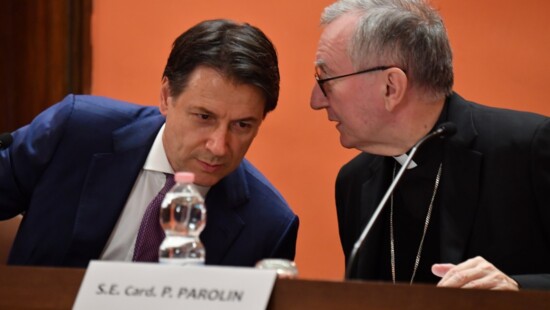
La Helsinki di Parolin rivive nell’apertura alla Cina. Il commento di Lucio D’Ubaldo
Di
Con spirito di concretezza, Francesco Bechis ha messo bene in luce il significato della commemorazione, svolta ieri a Palazzo Borromeo, Sede dell’Ambasciata d’Italia presso la Santa Sede, del tanto celebrato, e giustamente, Accordo di Helsinki a 45 anni dalla sua sottoscrizione. È utile fare ancora qualche rapida osservazione. L’Accordo infatti rappresentò, dopo molti anni, il ritorno della Santa Sede nel…