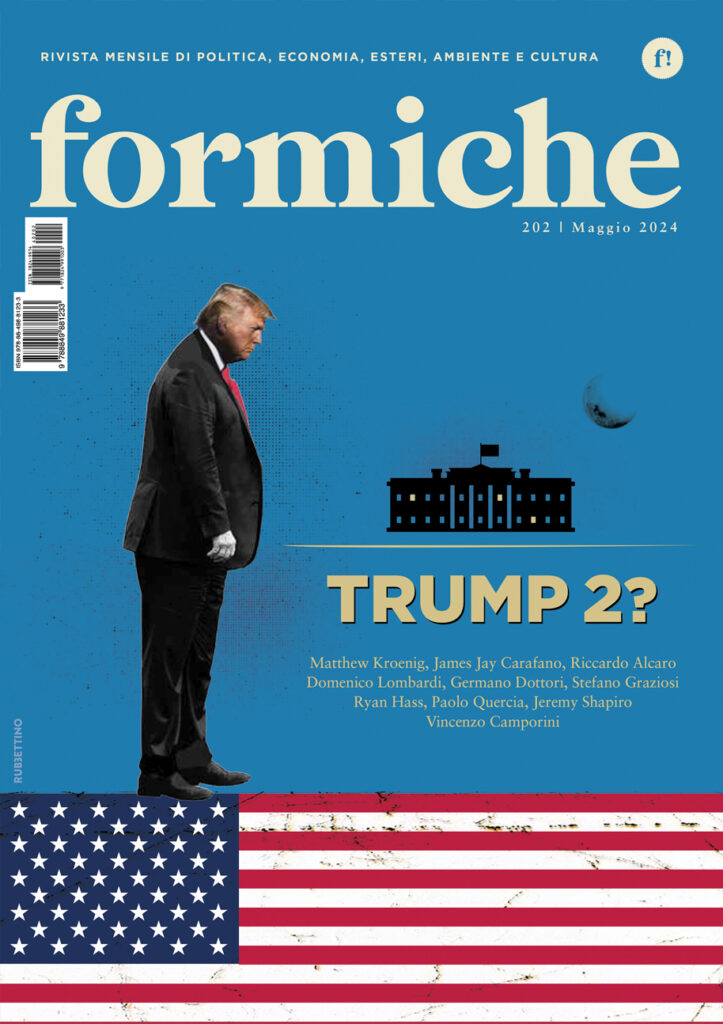


By means of a freedom of information request, the Italian daily Repubblica was able to obtain a government-owned document dating back to February (when no official Covid-19 cases had been recorded in Italy) that foresaw the spread and mortality of the virus with frightening clarity. The study, which was handed to the government’s Scientific and Technical Committee (STC) on February…
Archivi
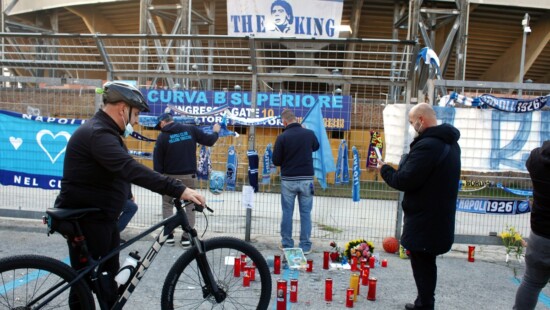
Il Libano ha un nuovo premier. Ecco chi è Mustapha Adib
Di
Proposto dagli ex primi ministri Saad Hariri e Tammam Salam, già capo di gabinetto dell'ex premier Nagib Mikati, Mustapha Adib ha ricevuto da poche ore l'approvazione dei principali gruppi politici del Paese, ovvero il tandem sciita formato da Hezbollah e Amal, il Movimento patriottico libero, il Partito Futuro e il Partito socialista progressista. Il nuovo primo ministro libanese, 48 anni, ha…
Il primo, storico volo tra Israele ed Emirati Arabi, verso la normalizzazione dei rapporti. Il video
Di
Il primo, storico volo tra Israele ed Emirati Arabi, verso la normalizzazione dei rapporti [embedyt] https://www.youtube.com/watch?v=11YlyZ5ZhL8[/embedyt] È partito da Tel Aviv per atterrare ad Abu Dhabi il primo volo commerciale tra Israele ed Emirati Arabi Uniti. Insieme alla delegazione israeliana sull'aereo ha viaggiato anche una rappresentanza statunitense, composta tra gli altri da Jared Kushner, consigliere e genero del Presidente Trump,…
Gucci, l’inconscio e la modella “difettosa”
Di
Perché mai Gucci ha scelto per la sua campagna pubblicitaria una modella “difettosa”? La top model si chiama Armine Harutyunyan e la sua immagine colpisce dritto alle contraddizioni di questa nostra società. Armine ha un volto asimmetrico, “strano”, sicuramente diverso. Interessante. E decisamente capace di capitalizzare la merce più pregiata del momento storico: l’attenzione. C’è una sottile linea rossa che…
Coronavirus, ecco la nuova ondata. Pregliasco spiega come sarà
Di
“Una nuova ondata incombe. Spetta a noi decidere se si trasformerà in un nuovo lockdown”. Parola di Fabrizio Pregliasco, virologo, direttore sanitario dell’Irccs Istituto ortopedico Galeazzi di Milano. Le discoteche possono aspettare, la scuola non più, deve ripartire, dice a Formiche.net. E sul documento di previsione del virus svelato da Repubblica spiega: a febbraio ne giravano altri, “in emergenza non…
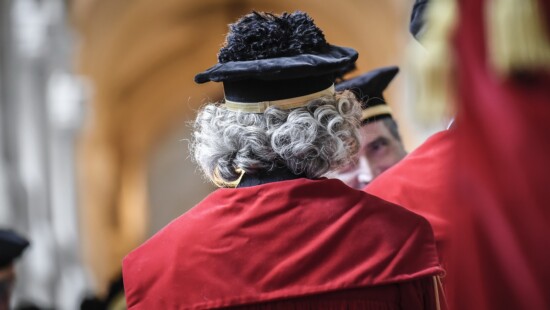
Perché ripensare la magistratura. Il commento di Zecchini
Di
Non poche volte i pronunciamenti dei giudici suscitano polemiche ed accese contrapposizioni, altre volte indignazione e spesso rassegnazione. L’ultima querelle di grande risonanza, dopo una lunga serie, è sorta sul provvedimento del Tar della Sicilia che ha sospeso la chiusura degli hotspot dove sono accolti gli immigrati clandestini. Al di là del merito della specifica questione, l’opinione pubblica è colpita…
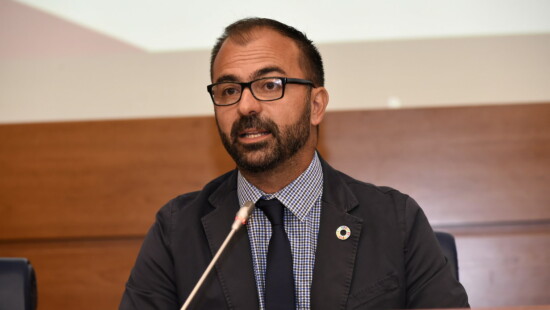
Quando (e come) riapriranno le scuole? Le pagelle dell’ex ministro Fioramonti
Di
Ha un grande timore l'ex ministro dell'Istruzione Lorenzo Fioramonti: che l'Italia festeggi quando non c'è davvero nulla da festeggiare. Gli spazi dovranno essere maggiori, gli studenti di meno e gli insegnanti di più. Questa la grande sfida: avere una scuola più sperimentale, dice a Formiche.net: “Il punto non è solo superare l'emergenza, ma trasformare l'emergenza in una opportunità, non è…
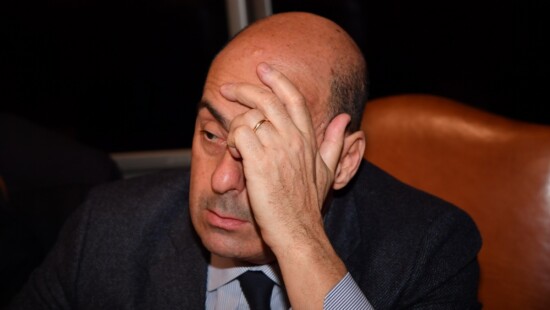
Referendum, anche Fico gela il Pd. E Zingaretti... Scrive Giuseppe Fioroni
Di
Far finta di nulla è da incoscienti. A leggere nelle viscere dei sondaggi si scopre una inquietudine profonda del Paese. L’area del consenso attorno a questo governo, nonostante la riserva di popolarità di cui lucra il presidente del Consiglio, rimane troppo esigua. All’indebolimento del M5S non consegue, a rovescio, la ripresa del Pd; né gli alleati minori danno segno, per…
Rete unica, Tim e Open Fiber. Parla Tiscar (che propone il modello Terna)
Di
Il gioco della rete unica può riuscire e anche piuttosto bene, ma a precise condizioni. Due board di fine estate, quelli di Tim e Cdp, oggi hanno posato la prima pietra della futura società per la rete unica con cui traghettare definitivamente l'infrastruttura tlc del Paese nel Terzo Millennio. In particolare, l'ex Telecom è stata chiamata a dare un primo disco verde all'intesa…
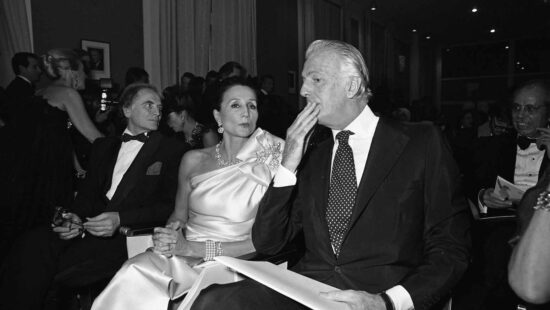
Il soft power italiano non può essere ridotto a una cartolina. Parla Rutelli
Di
“Il soft power italiano non può essere ridotto a una cartolina-ricordo delle nostre città d’arte”. A sostenerlo in un colloquio telefonico con Formiche.net è Francesco Rutelli, fondatore del Soft Power Club, un’associazione che oggi e domani vive a Venezia presso la Fondazione Giorgio Cini e la Fondazione Prada, il suo primo appuntamento pubblico. “Umilmente dico che non sarebbe stato facile…