
Italy’s Five Star Movement is going through a rough period. Internal tensions are simmering and their relationship with their governing partners has never been rosy. On top of that, just last week an exposé by Spanish newspaper Abc alleged that in 2010 Five Star’s co-founder Gianroberto Casaleggio received funding from the late Venezuelan president Hugo Chávez.

The unconfirmed report rippled through Italian politics, damaging the Five Star’s credibility and stressing its already shaky internal unity. Five Star’s rivals took the opportunity to lambast them on social media – even urging the European Commission to open an inquiry on foreign funding to European parties.

Davide Casaleggio, the late co-founder’s son and a major figure within the Five Star, has taken legal action against Abc and vehemently denied all allegations. Both him and the Venezuelan embassy in Rome dubbed the report as fake news.

An investigation by Corriere della Sera, one of Italy’s most authoritative newspapers, found several inconsistencies in the documents published by Abc and cast doubts about their truthfulness. It also raised a series of legitimate questions about the timing of the publication of Abc’s exposé. Just about now, the Five Star are struggling with a leadership battle and the possibility of secessions: the perfect time to strike a blow.

On Saturday Beppe Grillo, the other co-founder of Five Star, published an article by ex-ambassador Torquato Cardilli on his personal blog. Mr. Cardilli echoed Corriere’s analysis and speculated about the possible reasons behind the publication of this “purpose-built fake news” while the Italian government is dealing with the coronavirus-induced socioeconomic fallout.

Veering somewhat close to a conspiracy theory, Mr. Cardilli wrote that the US – and particularly president Donal Trump – might have sought to warn the Italian government about its Venezuela policy and intimidate noncompliant political actors.

Because of the Five Star, Italy is one of the very few Western countries who did not support Juan Guaidó, the Venezuelan opposition leader, when he attempted to overthrow president Nicolás Maduro in 2019 with the backing of the US and most of Europe.

According to Mr. Cardilli, Italy’s closer ties with China, Venezuela, and Russia – in other words, its progressive distancing from Atlanticism – angered the White House. US internal matters (coronavirus deaths and economic contraption, police brutality, dwindling poll numbers) and foreign policies (economic sanctions, oil production, the Saudis, etc.) are all baked in his all-encompassing theory.

This article has since backfired, as it openly acknowledged and supported the Five Star’s foreign policy stance – and thus the purported reasons for Venezuela to fund them – while attacking the Atlanticist West and maintaining a conciliatory tone towards China, Iran, Russia, and Venezuela.

Eminent journalist Paolo Mieli struck a more nuanced note in his editorial, published on Corriere that same day. While not exculpating president Maduro’s regime from its faults, Mr. Mieli favoured the neutralist line chosen by the Five Star (and the Vatican) over Venezuela, arguing that it would be improper to call it a dictatorship – not all Venezuelans oppose the regime, nor are they all on Mr. Maduro’s payroll, he wrote.

Mr. Mieli highlighted the West’s strategic error of blindly supporting Mr. Guaidó, who lacked the means to depose the president despite his international backing. This mistake was an expression of the West’s aversion to Chavism. The latter, in turn, sits in line with the Western tradition of foreign interference which, Mr. Mieli argues, hasn’t gotten one thing right since the end of the Second World War.

“The intentions behind [the West’s] choices were sometimes great. But the results have never lived up to expectations. Quite the opposite, in fact. During the Cold War «we helped» the birth of despotic regimes until the embarrassing Chile case (1973). At best, like in the Korean War (1950-53), in the end [things] got back to where they started. At worst, namely Vietnam (1961-75) we left behind the dictatorships of those whom «we had fought». After the Berlin Wall fell, we elaborated the «export of democracy» doctrine, and «we applied it» to the Arab nations with discomforting results. Chaos, generally (Somalia, Iraq, Syria, Libya). Or the consolidation of pre-existing satrapies.” (all guillemets are the author’s).

Citing the civil war in Libya and the “embarrassing ease” with which the West has sided with both factions alternatively, Mr. Mieli concluded that it’s perhaps best to drop the “us Westerners” concept and analyse instances on a case-by-case basis. Thus, Italy has been wise to abstain from the Venezuelan matter – but ultimately, he wrote, that isn’t such a great consolation.

Alleged Venezuelan funding sends shockwaves across Italy

Italy’s Five Star Movement is going through a rough period. Internal tensions are simmering and their relationship with their governing partners has never been rosy. On top of that, just last week an exposé by Spanish newspaper Abc alleged that in 2010 Five Star’s co-founder Gianroberto Casaleggio received funding from the late Venezuelan president Hugo Chávez. The unconfirmed report rippled…

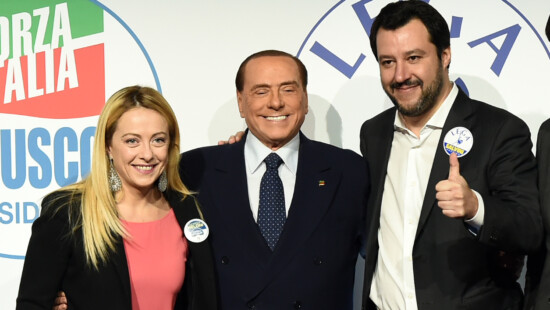
Totonomi regionali, il centrodestra trova l'accordo (Salvini non gode)

Eppur si muove. Il centrodestra trova la quadra sulle regionali e sfila una delle spine più insidiose fra alleati. Il totonomi viene pubblicato con un comunicato congiunto che porta la firma dei tre leader, Matteo Salvini, Giorgia Meloni, Silvio Berlusconi. Dopo una sfilza di fumate nere, ecco che dal comignolo della coalizione tripartita esce uno sbuffo bianco. In Toscana sarà…
L'Anac tra Pubblica amministrazione e semplificazione. I consigli del prof. Balducci

L’11 giugno 2020 il Tar del Lazio ha pubblicato la sentenza relativa al ricorso di cui al registro generale 14481 /2019 con cui si condanna l’Autorità Nazionale Anticorruzione (Anac) per aver negato l’accesso agli atti ad una centrale di committenza (Asmel Consortile con ca. 1500 comuni associati). C’è da meravigliarsi che una chicca di questo tipo sia passata inosservata dai…
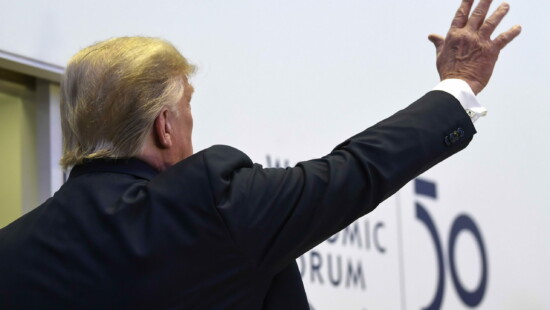
Da Bolton a TikTok, tutte le grane (anche economiche) di Trump

Joe Biden in testa nei sondaggi e, per la prima volta, nella raccolta dei fondi: Donald Trump stanco e un po' sfatto, dopo il flop del comizio a Tulsa sabato sera. E che a beffare il magnate presidente e la sua campagna siano stati su Tik Tok una banda di ragazzini, fan del K-pop, il pop coreano, non migliora il…

L'Undernet africana fa ripartire il Grande Gioco

Se non fossimo distratti dai rumorosi fronti di guerra che allignano per ogni dove, trovandoci per giunta al centro di una pandemia sanitaria che ne ha generato anche una informativa, forse tutti noi avremmo dedicato maggiore attenzione a quello che sta succedendo attorno all’Africa, terra da sempre al centro di svariati appetiti e per ciò stesso pretesto per generarne di nuovi mano…
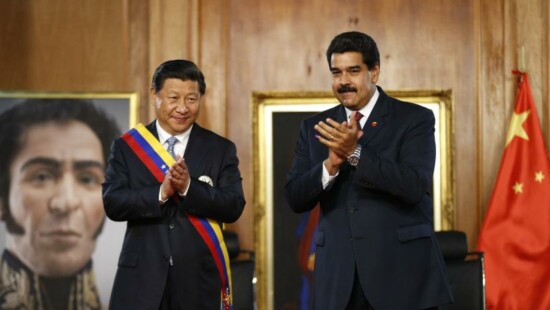
L’insostenibile passione per i caudilli. Il caso Venezuela letto dalla Maglie

Maria Giovanna Maglie non è affatto d’accordo con l’articolo pubblicato ieri sul Corriere della Sera a firma di Paolo Mieli. Non solo per quanto riguarda il caso del presunto finanziamento del Venezuela al Movimento 5 Stelle e la ricostruzione storica della crisi venezuelana. La giornalista e saggista, a lungo corrispondente della Rai negli Stati Uniti, ha diverse contestazioni sulla ricostruzione…
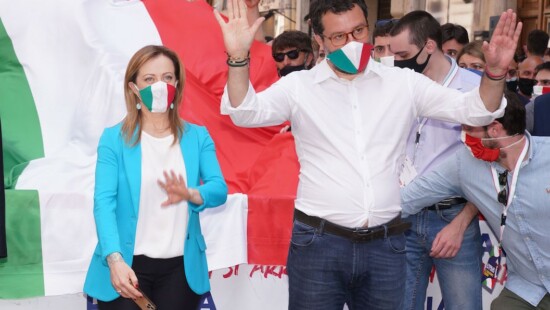
Salvini ko. Così le Regionali cambiano gli equilibri nel centrodestra. Il diario di Colombo

È come essere tornati allo status quo ante, cioè a quando la Lega non faceva il bello e il cattivo tempo, dentro la coalizione di centrodestra, ma era solo uno dei commensali. Le candidature per le Regionali le "vincono" Meloni e il Cav su Salvini che aveva provato a rovesciare il tavolo. “Il centrodestra – recita l’odierna nota congiunta che…
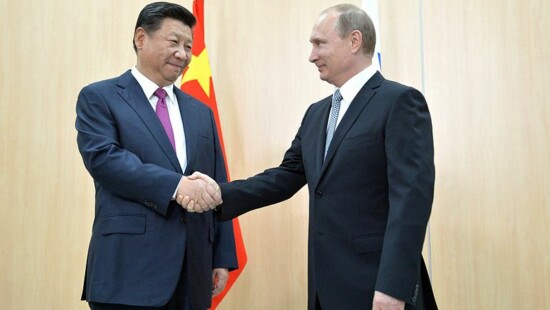
Verso una “pax sinica” in nome di Huawei? I rischi per l’Occidente

“Una pax sinica digitale con preoccupanti ramificazioni globali”. È la profezia che Alexander Gabuev, senior fellow del Carnegie Moscow Center, offre in una dettagliata analisi pubblicata sul Financial Times e dedicata alla dipendenza di Mosca dalla compagnia cinese Huawei.  L’esperto parte dagli sforzi britannici per fronteggiare Huawei: da una parte la nuova revisione che dovrebbe spalancare la porta a forti…
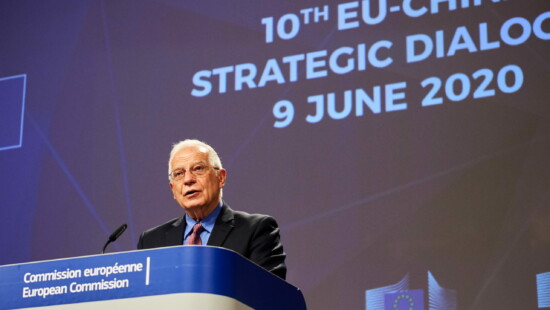
Cina-Ue, la versione di Borrell (che nicchia su Hong Kong) al Brussels Forum

Ha in mente Frank Sinatra, Josep Borrell, quando parla dell’Europa. Perché, ribadisce ancora una volta l’Alto rappresentante dell’Ue, Bruxelles deve scegliere “her own way”, la sua via, nella contesa globale fra Cina e Stati Uniti. Lo aveva scritto sul suo blog una settimana fa, suscitando reazioni opposte, e lo ha ridetto questo lunedì, ospite del Brussels Forum, la kermesse annuale…
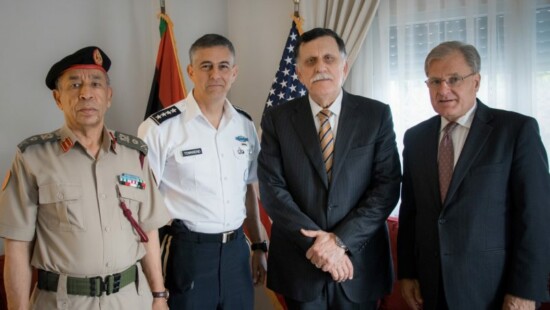
Scontro Egitto-Tripoli. Stati Uniti e Ue (via Italia) cercano la mediazione

Una delegazione americana – guidata dal comandante di AfriCom, il generale Stephen Townsend, e funzionari del dipartimento di Stato, su tutti l'ambasciatore Richard Norland – ha incontrato il capo del consiglio presidenziale libico, il premier del Gna Fayez Serraj, a Zuara (ovest di Tripoli). Poi, secondo fonti locali non completamente confermabili al momento della stesura di questo articolo, avrebbe proseguito la visita…

×

Iscriviti alla newsletter