

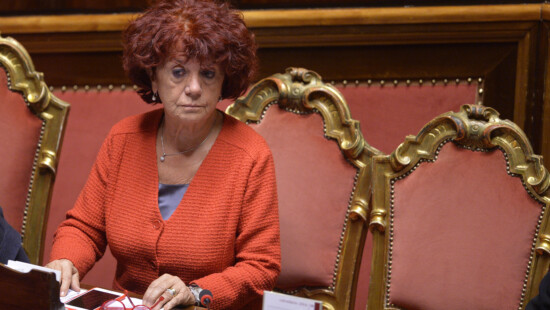
In Italia può succedere che un docente abilitato, magari con anni di esperienza alle spalle, superi il concorso a cattedre, ma può succedere anche che non compaia in nessuna graduatoria di merito. Tutto questo è possibile grazie alla legge 107/2015, la cosiddetta “Buona Scuola”, che introduce le graduatorie corte nei concorsi, ciò significa che queste graduatorie sono formate dal numero…
Archivi

Ecco tutte le turbolenze in Alitalia fra Etihad, Intesa Sanpaolo e Unicredit
Di
È anche una lotta fra soci quella che si cela in Alitalia. Da una parte c'è l'amministratore delegato Cramer Ball e tutta la cordata emiratina di Etihad, dall'altra il presidente Luca Cordero di Montezemolo con dietro gli azionisti italiani con in prima fila i due principali istituti di credito Unicredit e Intesa Sanpaolo. I secondi - che pur avendo il…
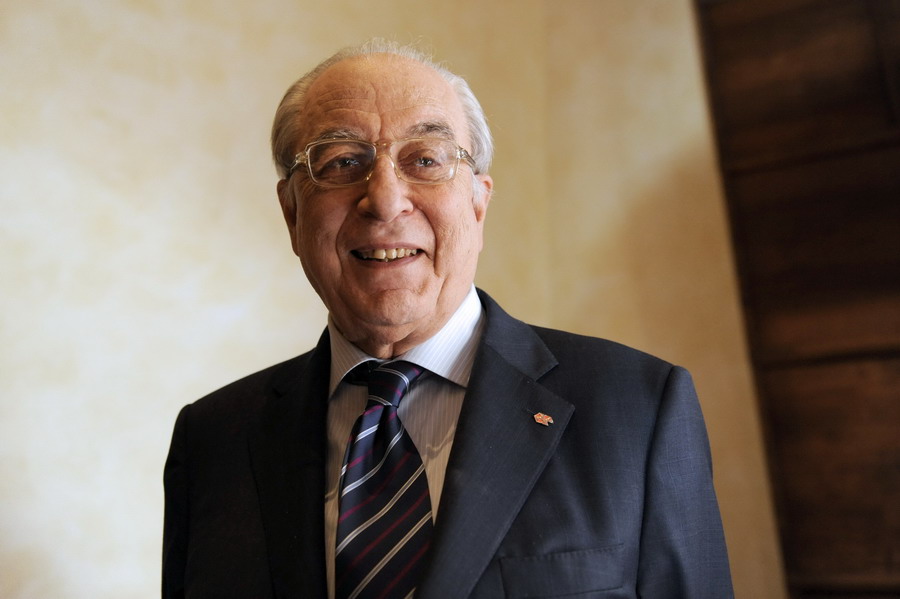
Popolare Sondrio e Popolare di Bari. Ecco come la riforma delle Popolari è bistrattata dal Consiglio di Stato
Di
La riforma delle banche popolari continua a perdere pezzi, messa sempre più in discussione da giustizia amministrativa e civile (qui l'approfondimento di Formiche.net). Il Consiglio di Stato ha infatti deciso nell'ordinanza del 12 gennaio di prorogare lo stop alla trasformazione in spa per le popolari di Bari e Sondrio, le uniche due banche rimaste con lo statuto originario, sulle dieci…
Cosa succede nella sanità in Veneto (e non solo in Veneto)
Di
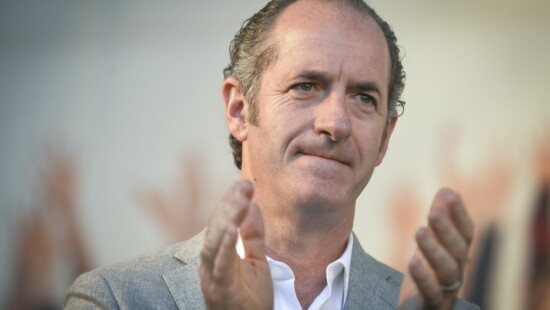
Se l'Italia può vantare un’attività trapiantologica eccellente per organizzazione, lo si deve a un uomo: il professor Nanni Costa, che dal nulla ha creato una rete sinergica, prima assente. Una rete nazionale, superando i localismi iniziali degli anni Ottanta e Novanta. Il Veneto è parte attiva del programma nazionale. Giustamente, Zaia ha dichiarato di essere orgoglioso del lavoro fatto nei…

Germania, la politica di sicurezza e le tentazioni di Merkel
Di
Dopo l’attentato di metà dicembre a Berlino, la sicurezza è diventata l’argomento principale del confronto politico in Germania. D’altro canto, in un anno cadenzato da diverse elezioni (le prime, in febbraio) e tra queste quelle politiche (in settembre), non potrebbe essere diversamente. Non c'è partito, che non abbia promesso di fare quanto possibile per scongiura altri attentati, per individuare in…
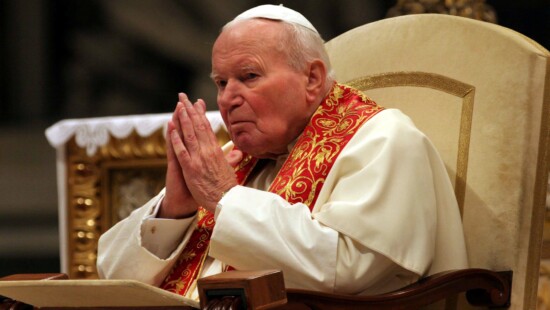
Iuvenescit ecclesia. Carisma e istituzione nella Chiesa del terzo millennio
Di
L’anno prossimo saranno vent’anni (era il 30 maggio del 1998) dallo storico incontro dei movimenti ecclesiali e nuove comunità con l’allora pontefice S.Giovanni Paolo II in piazza S.Pietro. Un incontro che non a caso si celebrò la vigilia di Pentecoste, a voler significare anche liturgicamente ciò che Karol Wojtyla avrebbe poi sottolineato, ovvero che quelle realtà eccelsiali erano una “risposta…
Chi è Christopher Steele, l'ex spia Mi-6 che tiene in ansia Trump
Di
Affidabile e professionale, con una vasta esperienza maturata sul campo. Questo è il profilo di Christopher Steele (nella foto) che emerge dalla comunità di intelligence internazionale. L’ex spia britannica del Mi-6 (i servizi segreti del Regno Unito) sarebbe l’autore del dossier di 35 pagine che sostiene che i russi siano in possesso di informazioni compromettente per ricattare il presidente eletto degli…
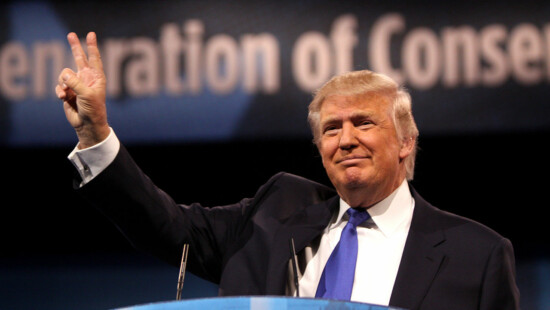
Capitale, politica e mercati nel 2017
Di
Entriamo nel 2017 fiduciosi ma anche consapevoli che l'anno potrà avere un andamento ancora più complicato del precedente. È possibile che qualche altro evento politico inatteso, dopo Brexit e l'elezione di Donald Trump, venga favorito da quello “scontro” che si sta profilando in molti Paesi occidentali da ormai qualche anno: lo “scontro” tra capitale e lavoro. I rialzi dei mercati…
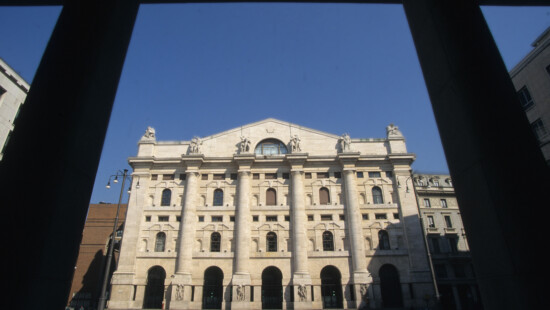
Economia, cinque domande ingenue e curiose
Di
Sono sempre stato convinto che, come si dice tra giornalisti, non ci siano buone risposte, ma solo buone domande. E lo penso soprattutto quando mi capita, raramente, di ascoltare per intero un talk show in cui gli ospiti si affannano e si accavallano per dare le loro risposte, interpretazioni, versioni, mentre invece quello che davvero cambierebbe sarebbe sentire i conduttori…
Vincoli di sangue e affinità elettive tra Italia e Argentina
Di
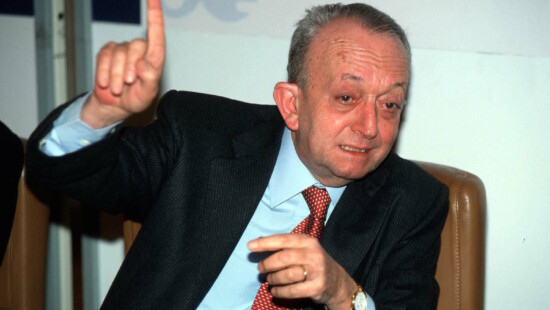
La scomparsa negli ultimi giorni di due uomini cultura davvero emeriti e come tali riconosciuti, il linguista Tullio De Mauro a Roma e lo scrittore Ricardo Piglia a Buenos Aires, ricordano al di fuori d’ogni retorica di maniera i profondi e persistenti vincoli non soltanto di sangue tra Italia e Argentina. Certamente sostanziati tra l’Ottocento e il Novecento dalla nostra…