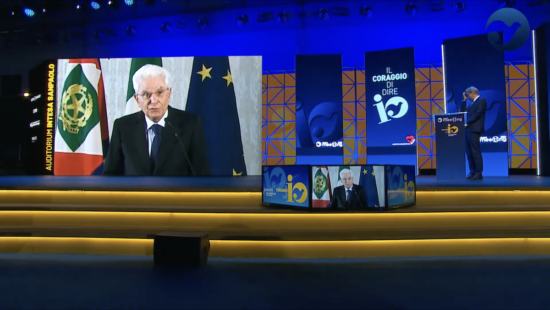
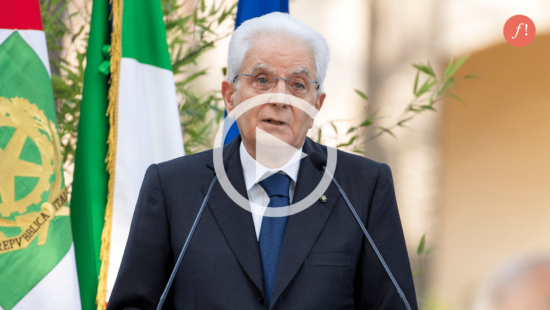
Il Meeting di Rimini è luogo di incontro, di amicizia, di riflessione, di cultura per tanti; per i giovani in particolare. È innanzitutto a loro che desidero rivolgere il saluto più caloroso e l’incoraggiamento a trarre da questa esperienza una spinta a raccogliere e a trasmettere passione, solidarietà, capacità di ascolto e di dialogo; valori fondamentali in tutti gli ambiti della vita quotidiana.
Ringrazio la comunità degli organizzatori – la Fondazione Meeting, la Fondazione per la Sussidiarietà, la Fraternità di Comunione e Liberazione – per aver portato ancor più avanti, per un nuovo tratto di strada, il testimone che hanno ricevuto: credo che aver realizzata l’edizione di quest’anno non sia stato semplice, a fronte delle necessarie limitazioni legate alla pandemia. È, dunque, motivo di soddisfazione aver riaffermato la tradizione del Meeting ed essere riusciti a offrire questa rinnovata occasione di incontro.
Il titolo scelto per questa edizione riprende un’espressione di Kierkegaard: “Il coraggio di dire io”. Nel 2016 ho avuto la gradita opportunità di prendere la parola al Meeting quando nel tema proposto l’accento cadeva sul “tu”: “Tu sei un bene per me”. Ho colto subito l’evidente collegamento tra l’indicazione di allora e quella di oggi.
Sono trascorsi cinque anni intensi. Nel tempo che viviamo i cambiamenti si fanno sempre più accelerati, e sono sempre più interdipendenti. Il mondo “globale” viene percepito, e diviene, sempre più piccolo, le distanze si accorciano, comunichiamo on line, con immediatezza, non solo parole e immagini, ma speranze e paure, modelli di vita e comportamenti sociali.
Un virus temibile e sconosciuto ha propagato rapidamente i suoi effetti sull’uomo, sulle società, sulle economie, diffondendo morte e provocando una crisi ancor più pesante delle altre di questo primo scorcio di millennio. Ci siamo scoperti più fragili di quanto credevamo. Abbiamo compreso con maggiore chiarezza di aver bisogno del sostegno degli altri. Abbiamo fatto esperienza del dolore, della paura, della solitudine. Ma nella comunità abbiamo trovato risorse preziose, decisive per far sì che le nostre speranze, le nostre aspirazioni non venissero sradicate e potessero ancora trovare conferma e sviluppo.
Avere il coraggio di dire io richiama la necessità di rivolgersi ad altri, a uno o a tanti tu. Si tratta, anche per i credenti, della chiave del rapporto con Dio.
L’io ha bisogno di avvertire la propria responsabilità e di riconoscere gli altri per comporre il noi della comunità. L’io consapevole della propria responsabilità esclude l’egoismo che conduce al conflitto con altri; che illude della propria forza e rischia in realtà di precipitare nell’impotenza, nel rifiuto in definitiva anche di sé stessi. Il futuro può essere costruito soltanto insieme. È l’io che riconosce il valore della diversità, del trovarsi e ritrovarsi insieme; l’io che desidera la compagnia – per usare un termine a voi caro – per diventare costruttore, di esperienze, di senso, di vita.
Il richiamo all’io mette in evidenza il compito – o, per esprimerlo con maggiore intensità, la missione – verso i tanti tu che incontriamo. Per tutto questo, per scegliere il proprio destino, è necessario che la persona conquisti piena coscienza del proprio valore, del proprio essere originale e irripetibile. Così da comprendere di doversi mettere in gioco.
Il coraggio di dire io è indispensabile per dare concretezza, realtà umana, a principi che altrimenti resterebbero inerti, o peggio verrebbero traditi dalla rinuncia o dal nascondimento. Occorre, dunque, il coraggio della responsabilità.
La pandemia ci ha dimostrato quanto ci sia bisogno di responsabilità. Nell’opera dei medici e del personale sanitario. Nel lavoro di chi svolge mansioni sociali. Nell’impegno di chi opera nel tessuto economico. Nell’azione dei governi e degli organismi internazionali. Ma anche nei comportamenti di ciascuno di noi.
La responsabilità comincia da noi. Vaccinarsi – tra i tanti esempi – è un dovere non in obbedienza a un principio astratto, ma perché nasce dalla realtà concreta che dimostra che il vaccino è lo strumento più efficace di cui disponiamo per difenderci e per tutelare i più deboli e i più esposti a gravi pericoli. Un atto di amore nei loro confronti, come ha detto pochi giorni fa Papa Francesco.
Il coraggio dell’io ci rende liberi.
Parliamo della libertà autentica, capace di piantare solide radici, soltanto se coltiva la vocazione all’incontro e al rispetto e che è iscritta nell’animo di ogni persona. La libertà, per essere tale, deve misurarsi con la libertà degli altri. Non perché la libertà degli altri rappresenti un limite alla nostra ma perché – al contrario – la libertà di ciascuno si accresce e si consolida con quella degli altri, si realizza insieme a quella degli altri. La libertà cresce nella coscienza personale di ciascuno e vive insieme a quella di chi ci sta vicino, nella costruzione della coscienza comune.
L’io responsabile e solidale, l’io che riconosce il comune destino degli esseri umani, si fa pietra angolare della convivenza. E, nella società civile, della società democratica.
La storia ci insegna costantemente quante minacce vi siano alla libertà e quanti sacrifici sono richiesti per conquistarla. Ci indica anche che si tratta di un bene indivisibile tra le donne e gli uomini di ogni Continente. Ci rendiamo conto di quanto la mancanza di libertà o la perdita di essa in altri luoghi del mondo colpisca la nostra coscienza e incida sulla comune convivenza nella sempre più integrata comunità mondiale.
Nuove sfide si pongono, quindi, continuamente davanti a noi.
Vi sono tanti aspetti che la società globale propone. Accanto a straordinarie opportunità, incrementate dallo sviluppo delle tecno-scienze, emergono anche nuovi rischi di omologazione, di esclusione, di smarrimento, di sfiducia. Anche di un io che si annulla nell’omologazione dell’uso improprio di quella grande risorsa positiva che offerta dal web.
Libertà e democrazia richiedono, per rafforzarsi, un retroterra vivo di partecipazione, autonomia di organizzazione sociale, conoscenze diffuse in modo da alimentare una cultura ricca di creatività, trama di coesione, rispettosa delle reciproche differenze.
Il primo dei presupposti della libertà sta proprio nella coscienza della persona. E nella possibilità di un suo sviluppo integrale. Il coraggio dell’io ha a che fare con il coraggio della società di tenere sempre aperte, di non chiudere mai, le strade di uno sviluppo integrale della persona, di ogni persona. A questo dovere ci richiama la nostra Costituzione la cui impronta è, appunto, “personalista”.
È una sfida, uno spazio che sta diventando ogni giorno sempre più ampio. La comunità è sempre più larga e il compito di presidiare e assicurare a tutti questo spazio diventa sempre più impegnativo e affascinante. Nuove prospettive sono davanti a noi. Riguardano l’equilibrio tra umanità e natura, tra tecnologia e umanità, tra consumo delle risorse ambientali e futuro da consegnare ai nostri figli.
Lo sviluppo integrale della persona si è arricchito di ulteriori implicazioni e coerenze, connesse anche all’irrinunciabile principio di pari dignità e uguaglianza. Se non fossimo conseguenti sarebbe un cedimento a quella cultura dello “scarto”, da cui ci mette in guardia Papa Francesco, un rischio che si nutre altresì di pratiche consolidate e di alcune regole economiche che talvolta hanno la pretesa di apparire indiscutibili. La scienza ci è di ausilio con i suoi enormi costanti progressi ma, al tempo stesso, le tecniche che operano a cavallo delle frontiere della vita umana ci richiedono spirito critico nel progettare il futuro.
Il coraggio dell’io ha davanti a sé il grande tema di rinnovare l’idea di personalismo, all’altezza dei nostri tempi. La persona è più dell’individuo: è un io pienamente realizzato. Vive nel “noi”, cerca il “noi”. Della comunità è partecipe e, al tempo stesso, edificatrice e protagonista. Come indica l’art. 2 della Costituzione, la persona, con le formazioni cui concorre a dar vita, preesiste per sua natura alle stesse istituzioni e agli ordinamenti. Nel mondo globalizzato il ruolo dei corpi sociali e delle formazioni intermedie diviene più impegnativo, forse più difficile, perché la persona rischia di trovarsi sola davanti a centri di influenza sempre più pervasivi e lontani, che incidono sul suo effettivo esercizio di libertà senza che possa esserne arbitra.
Ma il loro significato, il loro valore non sono affievoliti e vanno preservati e, se possibile, accresciuti. Libertà e democrazia dipendono in buona misura dalla vivacità, dalla ricchezza di articolazione dei gruppi sociali, dalla autonomia loro riconosciuta. L’economia, la società, la cultura non possono farne a meno.
Tutto questo è alla prova dei temi posti dalla globalizzazione. Un processo che deve essere, contemporaneamente, di generale diffusione dei diritti, di effettivo raggiungimento del rispetto della dignità della persona in ogni angolo del mondo.
Se il destino dell’umanità è comune, il futuro che dobbiamo comporre insieme non può più essere a somma zero. In cui, cioè, a un progresso in un’area debba corrispondere, a compensazione algebrica, un arretramento in un’altra.
La formula vincente che dobbiamo applicare è esattamente quella cosiddetta win-win.
Si vince insieme, si perde insieme. La crisi del virus lo conferma.
Dovremo ancora combattere la pandemia. Ma nostra responsabilità è immaginare il domani.
Sentiamo che cresce la voglia di ripartire: il motore è la fiducia che sapremo migliorarci, che riusciremo a condurre in avanti il nostro Paese. L’Unione europea si fa motore di un nuovo sviluppo dei nostri Paesi, uno sviluppo più equilibrato e sostenibile. È un’occasione storica che dobbiamo saper cogliere e trasformare in un nuovo, migliore e stabile equilibrio.
C’è un io, un tu e un noi anche per l’Europa e per le sue responsabilità, contro ogni grettezza, contro mortificanti ottusità miste a ipocrisia – che si manifestano anche in questi giorni – che sono frutto di arroccamenti antistorici e, in realtà, autolesionisti.
Il coraggio dell’io, oggi, chiede una svolta capace di contribuire a far sì che i cittadini, le persone, siano protagonisti anche nel nuovo contesto di interlocutori globali che trascendono gli Stati e tendono a rendere, di conseguenza, debole ogni influenza e controllo democratico.
Anche da qui nasce l’esigenza di potenziare e rendere non illusorie la sovranità comunitaria che sola può integrare e rendere non illusorie le sovranità nazionali. La sovranità comunitaria è un atto di responsabilità verso i cittadini e di fronte a un mondo globale che ha bisogno della civiltà dell’Europa e del suo ruolo di cooperazione e di pace.
Le risposte emergenziali, come lo stesso piano Next Generation Eu, debbono tradursi in un nuovo cammino di forte responsabilità comune.
Lo consente la riflessione in atto sul futuro dell’Europa. La Conferenza in corso di svolgimento deve essere occasione di ampia visione storica e non di scialba ordinaria gestione del contingente.
Possiamo farcela. Dipende anche da noi.
Ciascuno viene – e deve sentirsi – interpellato: il coraggio dipende dalla capacità di ciascuno di essere responsabilmente se stesso. Del resto, è questa la condizione dell’esercizio della libertà.
Buon lavoro al Meeting. Buone giornate ai giovani, ai volontari, a quanti animeranno gli incontri e i dialoghi. Il vostro contributo all’impresa in corso per il rinnovamento della società italiana ed europea sarà prezioso. Auguri!