


In early August, the Italian government carried out an unprecedented intervention, asking telecoms giant TIM to delay the selling of part of its last-mile internet cable network to the American private equity fund KKR. The government hoped that TIM could consider alternative ways to work towards a single, unitary broadband network – perhaps a solution that would have included the…
Archivi

Gualtieri e la carica dei seicento progetti. Le domande del prof. Pennisi
Di
Via Venti Settembre e le strade circostanti assomigliano alle colline di Bataklava, in Crimea, dove si svolse la famosa, eroica ma sfortunata “carica dei seicento”, immortalata in più di un romanzo ed in più di un film. Anche se simpatizza da sempre con la Russia, il ministro Roberto Gualtieri, che ha generosamente ospitato i 600 e passa progetti da cui valutare…

Quel connubio fra Putin e i servizi segreti russi. L’analisi di Valori
Di
Il sistema di sicurezza della Federazione Russa è stato costituito, come era ovvio, dai resti del Kgb, che era stato deliberatamente e forse irragionevolmente sciolto nel 1991. Gran parte del “Comitato” fu distrutto senza programma alcuno, per poi redistribuire alcuni elementi del Kgb in altre Agenzie o anche in altri uffici non-intelligence, tentando sempre di porre in contrasto e in…

Fughe di notizie o attentato alla democrazia? L’intelligence stritolata fra Trump e Biden
Di
L’intelligence è una attività cruciale per la democrazia ed è per questo che le attività dei servizi segreti sono una responsabilità del governo ma - nelle democrazie - soggette al controllo ed alla vigilanza del Parlamento. È così naturalmente anche negli Stati Uniti dove il Congresso è regolarmente informato attraverso dei briefing che naturalmente sono classificati, i cui contenuti non…

Come Le Bureau (ma vero). Spia francese in Italia passava segreti Nato alla Russia
Di
Un ufficiale francese è stato denunciato e messo sotto inchiesta perché forniva informazioni top secret alla Russia. Andata e ritorno per “Le Bureau” — Stagione 5. Tutto annunciato da Radio Europe 1 e poi confermato dal ministro della Difesa, Florence Parly, con un certo livello di imbarazzo perché la storia sembra riprendere proprio la serie Tv prodotta da Canal+. “Un…

Macron torna a Beirut. Hezbollah pronta alla grande coalizione. E l'Italia?
Di
Emmanuel Macron torna a Beirut. Dopo l’esplosione che ha sconvolto l’intero Libano, il presidente francese era stato il primo a visitare il Paese ottenendo una accoglienza particolarmente calda. La sua era una missione di solidarietà ma anche squisitamente politica, finalizzata a rafforzare la propria influenza nell’area medio-orientale e in un contesto di scontro sempre più aspro con la Turchia di…

Dopo Hong Kong, il Tibet. La minaccia di Xi e i silenzi Ue
Di
Incredibile ma vero. Mentre il suo capo della diplomazia gira l'Europa per cercare di riparare i danni fatti dai suoi "lupi guerrieri" durante la pandemia in vista della ripresa dei negoziati per un accordo di investimento tra UE e la Repubblica popolare e con il tema 5G cinese ancora in piena via di sviluppo, il Presidente Xi Jinping rincara la…

Guerre stellari? Così Londra rilancia il dibattito (all'Onu) sul diritto spaziale
Di
Satelliti spia, proiettili spaziali e attacchi cyber contro preziose infrastrutture in orbita. Il confronto globale è già arrivato oltre l'atmosfera, con il rischio di innescare pericolose escalation anche sotto di essa. È per questo che il Regno Unito ha presentato mercoledì alle Nazioni Unite una proposta per “un nuovo approccio” all'utilizzo dello Spazio per scopi militari, con l'obiettivo di coinvolgere…

Azzolina ha ragione da vendere ma... Il parere del preside Ciccotti
Di
La ministra Lucia Azzolina, si trova al centro di uno tsunami politico. Attaccata da sinistra e da destra. Tutti la vogliono mandar via. Il centro (Forza Italia) e la destra (FdI e Lega) la bocciano, la sinistra (Pd) la “rimanda” a settembre. Tutti si credono migliori dell’onorevole Azzolina, futura dirigente scolastico. Ella, seppur non abbia provato a scaglionare il rientro…
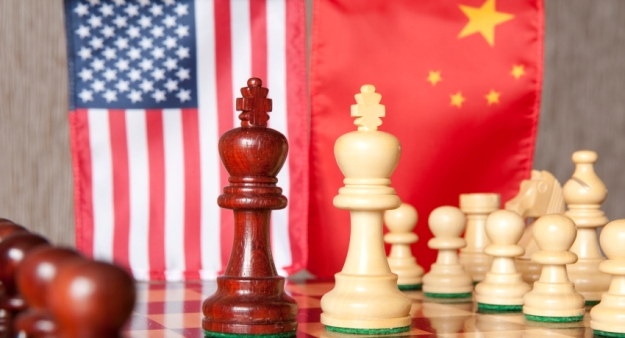
Microchip, ecco come il Pentagono ricerca l’autonomia strategica
Di
La guerra dei microchip continua ad essere uno dei leitmotiv dell’acuirsi delle relazioni tra Stati Uniti e Cina. Le ultime misure restrittive annunciate dal Dipartimento del Commercio hanno inflitto un ulteriore duro colpo a Huawei. Il nuovo pacchetto di restrizioni di fatto vieta a qualsiasi azienda che utilizzi equipaggiamento americano hi-tech per la fabbricazione di semiconduttori di fare affari con…