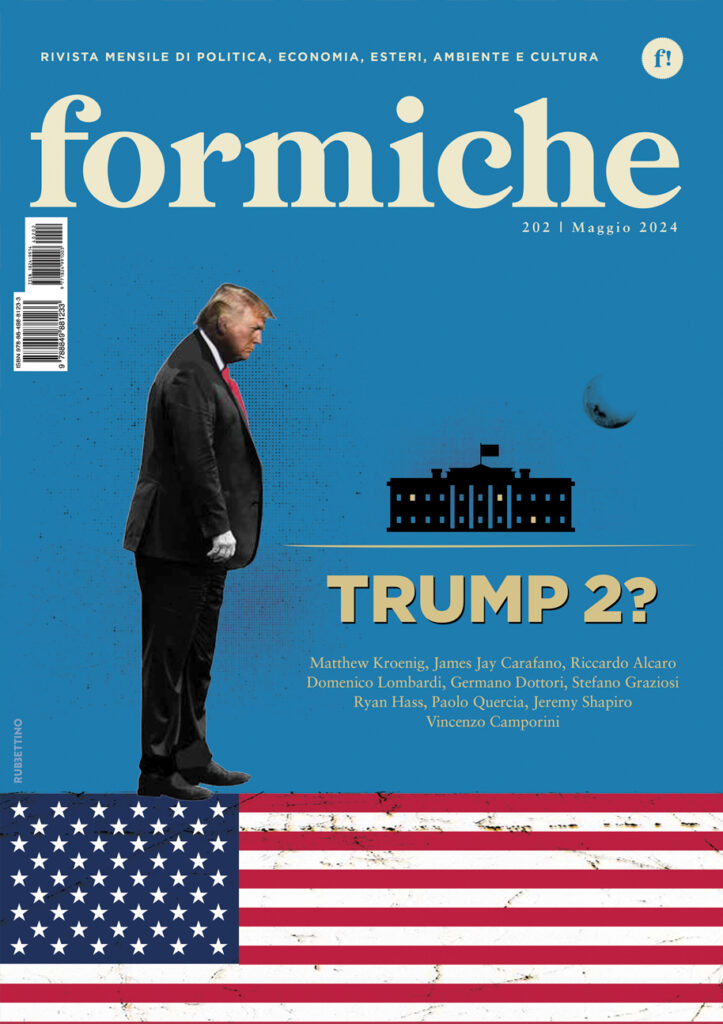


Before the pandemic, Italian prime minister Giuseppe Conte was a pacifier, a mediator between the odd couple of parties that form the current coalition government. It is universally accepted that the Five Star Movement and the Democratic Party maintain their uneasy alliance partly out of fear for their right-wing opponents’ strong poll numbers. However, as the Covid-19 pandemic swept through…
Archivi

Huawei, no way. Ecco tutti i bastoni italiani nelle ruote del 5G cinese
Di
In Italia non ci sarà la messa al bando delle aziende cinesi dalla rete 5G. Non ora, perlomeno. Il rebus che incombe sulle relazioni diplomatiche con gli Stati Uniti, da mesi in pressing per mettere alla porta le cinesi Huawei e Zte, è di difficile soluzione. IL NODO LEGALE: TRUMP PUÒ, NOI NO Il primo, vero motivo, confida a Formiche.net…
Bielorussia e Libano, ma anche Hong Kong. La bussola italiana secondo Piero Fassino
Di
Piero Fassino, già segretario dei Ds e sindaco di Torino, da qualche settimana presidente della Commissione Esteri della Camera, altelefono con Formiche.net affronta i temi urgenti della politica estera italiana, europea e internazionale: il Libano, la Bielorussia e Hong Kong. Presidente, dopo l’iniziativa del presidente francese Emmanuel Macron l’Italia a che punto è in Libano? Mi pare che anche l’impegno…
Vaccino russo? Occhio, non è completo. Mentre in Italia... Parla Fabrizio Landi
Di
Il presidente russo Vladimir Putin ha annunciato la registrazione del vaccino anti-Covid. Secondo lui ha superato tutti i test necessari, è pronto e anche molto sicuro, tanto che è stato somministrato persino a sua figlia nella fase di sperimentazione. Tuttavia, in questa corsa all’antidoto che sembrerebbe vinta da Mosca gli esperti sollevano alcuni dubbi. In una conversazione con Formiche.net, Fabrizio…

Su Mediobanca prima la politica industriale, poi il Golden power. La versione di Hinna
Di
Forse non ci si deve davvero stupire su Mediobanca. Il balletto politico ancor prima che industriale su quello che fu il salotto buono della finanza italiana è figlio di un Paese che ha perso la bussola da molto tempo. E così, il fatto che tra le pieghe del decreto Agosto sia rispuntata la norma con cui blindare Mediobanca in caso…
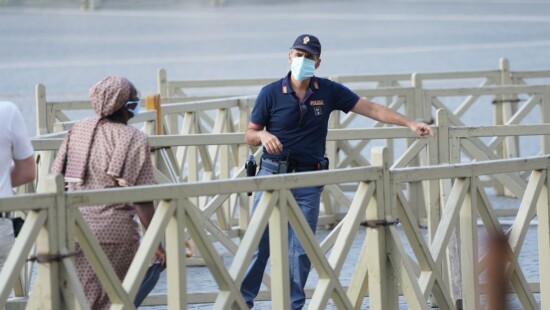
L'Anac, la burocrazia e i furbetti dell'Inps. L'analisi del prof. Caravita
Di
Dopo mesi di inerzia il governo ha avviato le procedure per la nomina dei nuovi componenti dell’Anac. Ed è subito partita la polemica sui nomi, avvitandosi così nel vizio frequente di discutere di nomi, senza ragionare sulla missione dell’organo. Proviamo a tornare su questo terreno. Come dice Raffaele Cantone nell’intervista a Silvia Grassi, pubblicata ieri su Formiche.net, la normativa Anac,…
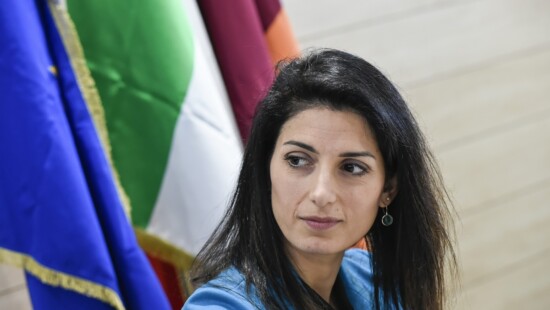
Perché la ricandidatura della Raggi è un assist per il centrosinistra. Parla Tobia Zevi
Di
Virginia Raggi, il ritorno. Non è il titolo di una saga cinematografica che odora di anni ’80 bensì la partita più importate d’Italia sotto il profilo (non solo) delle elezioni comunali: la conquista del Campidoglio. La sindaca pentastellata corre nuovamente per la carica di primo cittadino, è ufficiale. Peraltro dopo aver già incassato un endorsement dal capo politico dei Movimento,…

Sorpresa, il prof. Caligiuri vota per il taglio dei parlamentari. E spiega perché
Di
I punti di vista favorevoli o contrari alla riduzione di deputati e senatori sono entrambi legittimi e meritevoli di approfondimenti non superficiali. Roberto Arditti domenica ha affrontato l’argomento ricordando le tesi di chi sostiene che il taglio determini l’inefficienza nei lavori parlamentari; l’impoverimento della pluralità politica e quindi della rappresentanza democratica; risibili risparmi per il bilancio dello Stato. Ha poi…
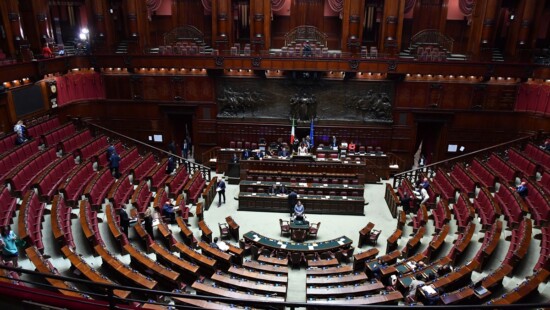
Phisikk du role - Il bonus vacanze e la rivoluzione degli educati
Di
Di certo questo pastiche piccolo piccolo dei parlamentari che attingono dai bonus vacanze e dagli euri stanziati dallo Stato in favore dei commercialisti sarebbe piaciuto a Franca Valeri, signora del sarcasmo acidulo, tanto raffinato da farsi capire solo da settori sparuti del pubblico italiano che oggi la ricorda - non del tutto consapevole - dalle spiagge, delegando la cerimonia degli…
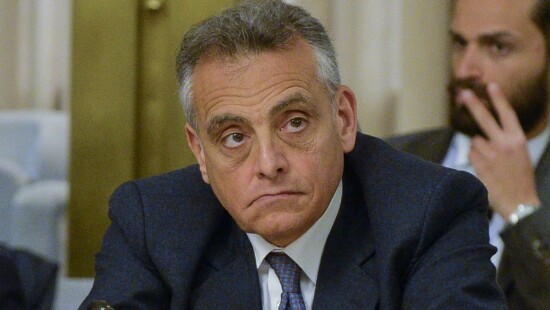
Immigrazione e non solo. La diplomazia italiana in azione in Libia. Ecco come
Di
L'ambasciatore italiano in Libia, Giuseppe Buccino, ha presentato al governo di Tripoli (il Gna onusiano) la nuova proposta del Memorandum d'intesa sulla cooperazione nel campo dello sviluppo messa a punto a seguito della riunione del Comitato misto interministeriale italo-libico del 2 luglio scorso a Roma. Si parla chiaramente del contrasto all'immigrazione illegale e al traffico di esseri umani, ma anche di contrabbando e rafforzamento della sicurezza delle frontiere, oltre che…