

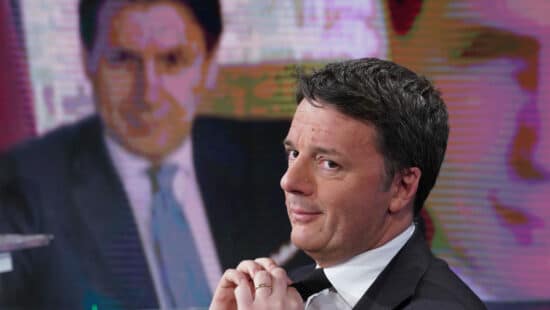
Il Pd approva all’unanimità la risoluzione di Zingaretti a favore di un Conte-ter, ma Renzi si scaglia contro l’ex premier-avvocato, “in Parlamento assistiamo a un autentico scandalo”. Toni che allontanano la ricucitura e riaprono il totonomi per Palazzo Chigi
Archivi

Fincantieri-Stx. Così finisce la storia (infinita) dei cantieri francesi
Di
Arriva dal Mise la nota che chiude ufficialmente la storia infinita dell’acquisto da parte di Fincantieri dei cantieri francesi della ex Stx. A cinque anni dall’accordo tra Roma e Parigi, lascia soprattutto l’impressione di regole Ue datate per affrontare i mercati internazionali

Io sto con i bamboccioni
Di
Si, sto con i bamboccioni! No, non è un ammicco, piuttosto un pagar dazio. Essipperchè ciascun genitore può anche supporre di aver fatto il meglio per la prole, tutti insieme si è fatto il peggio! La cosa è andata pressappoco così: I loro bis nonni, nel contado, facevano affari insieme ai tanti figli zappando e mangiando la penuria raccolta; l’alfabeto:…
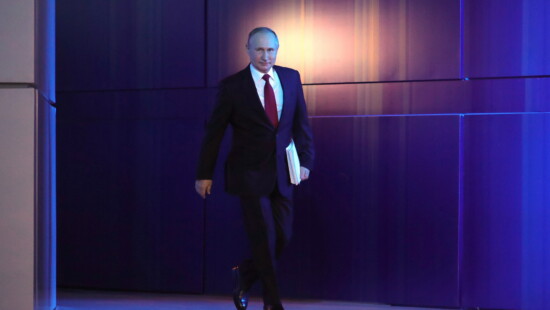
Così Navalny ha messo a nudo Putin. Parla Weber (Wilson Center)
Di
Non è un vero politico e neanche un semplice attivista. Alexej Navalny, spiega Yuval Weber, fellow del Wilson Center di Washington DC, ha scoperchiato “un intero sistema di potere” e ora anche Putin teme. Biden? Con lui cambia la musica

Alta tensione. Così Biden difenderà la rete elettrica dalla Cina
Di
Biden proteggerà la rete elettrica statunitense dalle manipolazioni che potrebbero arrivare dall’affidare i lavori ad aziende cinesi? Per ora ha abolito un executive order con cui Trump chiudeva la strada della grid Usa a Pechino. La misura dura 90 giorni, forse potrebbe essere sostituita, forse abolita del tutto. Gli Usa tra necessità e rischi

I Servizi come strumento di democrazia. A lezione da Carlo Mosca
Di
“I servizi sono uno strumento fondamentale della democrazia”. Cosa ha detto Carlo Mosca, già prefetto e consigliere di Stato e vice direttore del Sisde dal 1994 al 1996, durante la sua lezione dal titolo “Democrazia e Sicurezza. Le Regole dell’Intelligence in Italia”, tenuta durante il master in Intelligence dell’Università della Calabria, diretto da Mario Caligiuri
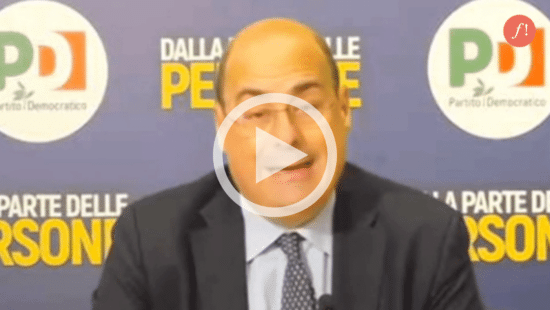
Governo, al via le consultazioni. Zingaretti: "Proporremo Conte". Il video
Di
Governo, al via le consultazioni. Zingaretti: "Proporremo Conte" [embedyt] https://www.youtube.com/watch?v=rcJsC-sdfOo[/embedyt] Roma, 27 gen. (askanews) - Nel giorno in cui sono iniziate le consultazioni al Quirinale, con i presidenti di Senato e Camera, Elisabetta Alberti Casellati e Roberto Fico, oltre al Movimento 5 Stelle anche il Pd si schiera per un Conte ter. Nicola Zingaretti ha detto apertamente che il partito…
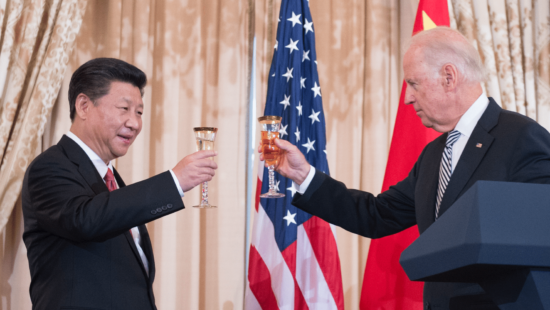
Tecnodemocrazie contro tecnoregimi. La proposta di uno "scisma" tra Silicon Valley e Cina
Di
Ormai la necessità di un decoupling tecnologico dalla Cina è ben chiara negli Usa, anche tra i dem. Così un documento firmato da 15 consulenti politici ed esperti di tech (tra cui vertici passati e attuali di Google) tiene banco a Washington: per affrontare la sfida dei tecnoregimi serve un’alleanza tra tecnodemocrazie (manca l’Italia, speriamo per una banale dimenticanza…). Tutti i dettagli

Energia, cosi Ue, Usa e Cina possono far rete
Di
Tra i primi provvedimenti dell’amministrazione Biden un intervento sulla sicurezza della rete elettrica americana, poi un pacchetto per le politiche climatiche. Ci sono i margini per una cooperazione fra Usa, Ue e Cina? Quali sono i rischi maggiori? Analisi e scenari con i commenti di Corrado Clini e Arvea Marieni
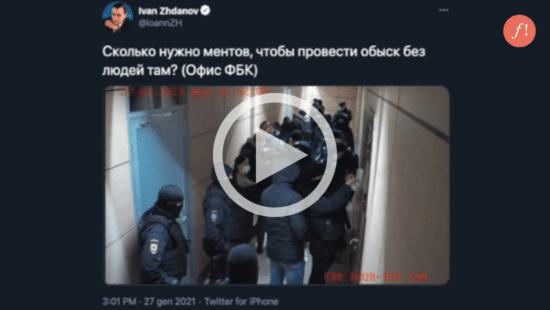
Il video dell'irruzione a casa Navalny, perquisite case e studio
Di
Il video dell'irruzione a casa Navalny, perquisite case e studio [embedyt] https://www.youtube.com/watch?v=ip0dPfhiDDU[/embedyt] Milano, 27 gen. (askanews) - "La porta è chiusa. Il mio avvocato arriva tra 15 minuti". Lo grida ad un gruppo di uomini a volto coperto che cerca di abbattere la sua porta di casa la moglie di Navalny Yulia moglie dell'oppositore di Putin, ora in carcere. A…