
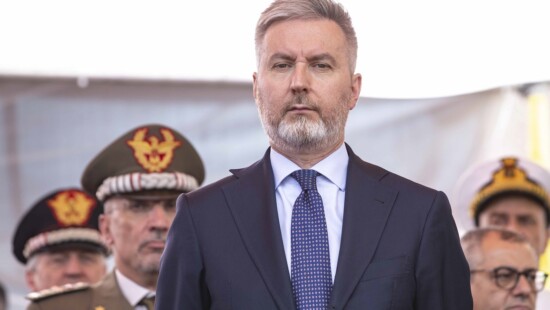
The meeting between Libyan president Fayez al Serraj and Italian minister of defence Lorenzo Guerini reportedly “went really well”. As reported on Tuesday by Formiche.net¸ the two officials met together with their teams to discuss how to bring Italian-Libyan cooperation to the next level.

Other than the resident, the Libyan diplomats were foreign minister Mohamed Siala, deputy prime minister Ahmed Maiteeq and defence diplomat Ali Namroush. The Italian team they met with was made up by Mr Guerini, Italy’s ambassador to Libya Giuseppe Buccino, the director of Italian intelligence agency Gianni Caravelli, and top-ranking generals Enzo Vecciarelli, Luciano Portolano and Maurizio Fronda.

Mr Guerini expressed Italy’s “full commitment to immediately initiate the cooperation initiatives that were defined today […] Our presence in Libya remains a priority commitment, on the road to peace and institutional reorganisation that we’re all wishing for.”

The cooperation initiatives mentioned by the diplomat include logistical support (including specialised teams) to rid some of Tripoli’s areas from mines and explosive traps, which were set up by the Eastern rebels led by general Khalifa Haftar and bear a striking resemblance to similar devices left in Ukraine’s Donbass region by Wagner Group Russian contractors. Russia has been increasing its military presence in Libya by dispatching warplanes and said contractors to aid the Eastern rebels.

The Italians will also aid Libyan civilians by rebuilding the strategic hospital in Misrata far from the bombings that ravaged the city’s airport. Plans were announced for a new Italo-Libyan hospital in Tripoli. Furthermore, the diplomats talked about the return of Italian companies in Libya and the need to resume oil export as a mean of aiding the country’s stabilisation through its economy.

Militarily, the two countries agreed to set up a bilateral commission for strategic operations. Mr Guerini also announced a new training plan for Libyan cadets and officials in Italy starting in the next academic year; this initiative builds on top of Italy’s current financing and training of the Libyan coast guard, a body that has proved controversial following humanitarian concerns.

The wide breadth of the talks speaks volumes about Italy’s willingness to become a protagonist in the delicate Libyan dossier. President al Serraj officially asked Italy to become a guarantor of the endeavour to stabilise his country, and Rome is well positioned to do so – not only geographically but in its capacity as NATO member, capable of mediating between Turkey, which is actively shipping weapons to al Serraj’s government in violation of the arms embargo, and France, who has been supporting Mr Haftar’s forces informally.

Formiche.net reached out to general Leonardo Tricarico, who is now president of the Intelligence Culture and Strategic Analysis (ICSA) Foundation after a career as head of Italy’s Air Force High Command. After praising the meetings, he highlighted how all these efforts risk having a limited impact if the international community does not stand up to address the Libyan dossier as outlined in January’s Berlin Conference.

First off, this process must lean on Libya’s stability, which in turn can only be obtained through the resolution of its internal problems, argued general Tricarico. The measures announced do not address the main problem, which is the further entrenchment of a bipolar conflict that hinders stability. This entrenchment is worsened by “foreign actors in the backstage” such as Russia, Turkey and Egypt.

“It’s clear by now that Putin’s objective is occupying empty spaces, like in Syria.  Now, the centre of gravity and influence is moving towards the Mediterranean Sea, and this should trigger a deep reflection. We’ve been asking NATO to mind more its Southern front for years; I wouldn’t want that this should happen in response to a bigger Russian presence.”

According to general Tricarico, the most immediate risk for Libya is the transmutation of the current political conflict into a religious one – in other words, the confrontation between the Muslim Brotherhood (whose members are in president al Serraj’s government) and those who fight it.

The expert closed by arguing that the international interest in the Libyan dossier must be rekindled and incorporate Italy’s sustained – but limited – efforts. As per Italy’s ambitions of being an international intermediator, “the attempt is most welcome,” but “it makes sense if we have the strength, the solidity, the will and the credibility to do it, or else it’s best to drop it. When setting up ourselves as pacifiers between two giants [such as France and Turkey] we must be more robust than either.”

Italian defence minister pushes for “quantum leap” in relations with Libya

The meeting between Libyan president Fayez al Serraj and Italian minister of defence Lorenzo Guerini reportedly “went really well”. As reported on Tuesday by Formiche.net¸ the two officials met together with their teams to discuss how to bring Italian-Libyan cooperation to the next level. Other than the resident, the Libyan diplomats were foreign minister Mohamed Siala, deputy prime minister Ahmed…

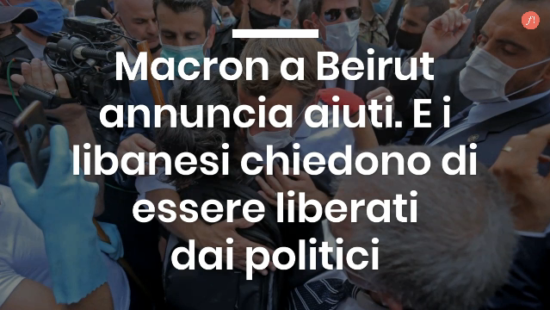
Macron a Beirut annuncia aiuti. E i libanesi chiedono di essere liberati dai politici. Il video

Macron a Beirut annuncia aiuti. E i libanesi chiedono di essere liberati dai politici [embedyt] https://www.youtube.com/watch?v=FwLwXSndEUQ[/embedyt] Emmanuel Macron a Beirut, il premier francese è il primo capo di governo a recarsi nella capitale del Libano dalla terribile esplosione che ne ha investito la zona portuale due giorni fa. Travolto da una folla che per le strade ha rivendicato il desiderio…
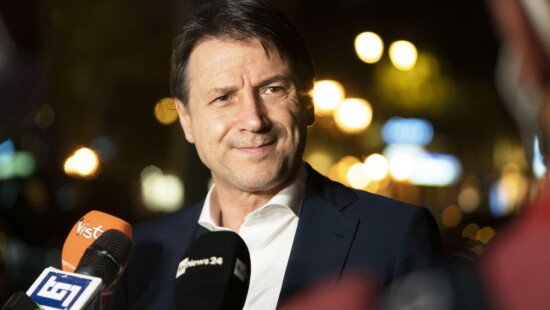
Italia in lockdown? Decisione di Conte. I tecnici invece... La verità dei verbali

Italia zona rossa? Il Comitato tecnico scientifico di Palazzo Chigi non l’ha mai consigliata. È quanto emerge dalla lettura dei verbali del Cts resi pubblici sul sito della Fondazione Einaudi, dopo che nella serata di mercoledì, al termine di una lunga battaglia legale della Fondazione passata dal Tar e dal Consiglio di Stato, la presidenza del Consiglio ha consegnato i…
Italian government forces delay of TIM-KKR telecoms deal

Just as Italian communications firm TIM was on the verge of deciding on a partial, binding acquisition of its secondary network by US private equity firm KKR, the Italian government stepped in and stopped the process for the near future. This happened during the board of directors’ meeting intended to decide on the acquisition, despite the government’s beforehand knowledge of…

Il video della sposa di Beirut sbalzata via dall'esplosione durante il servizio fotografico

Il video della sposa di Beirut sbalzata via dall'esplosione durante il servizio fotografico [embedyt] https://www.youtube.com/watch?v=9Menter6Nyw[/embedyt] È diventato virale sui social network il video di una sposa di Beirut che è stata sbalzata via dall'enorme esplosione avvenuta nel porto della capitale libanese durante le riprese del servizio fotografico di nozze. Fonte: Twitter
Ma quale rimpasto, è ora di studiare. La versione di Pasquino

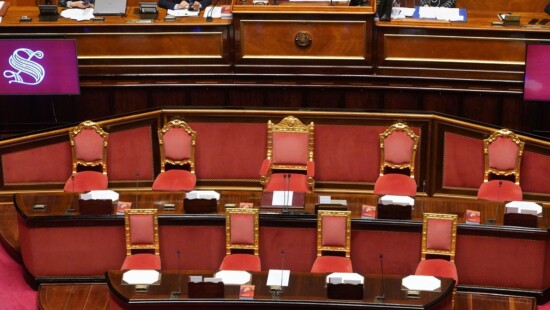
Il gioco italiano del rimpasto mi ha sempre affascinato. Circolano nomi, anche fantasiosi. Si evocano spettri, anche maligni. Si saltano a pié pari, ma anche dispari, i problemi e le motivazioni. Si fa credere ai retroscenisti che il rimpasto/quel rimpasto è un’operazione di enorme rilevanza. Risolutiva. Infine, si intervista anche qualche stratega peso massimo per ottenere conferme che puntuali arrivano,…
Il passo falso del governo su Tim-Kkr. Parla Andrea Colli (Bocconi)

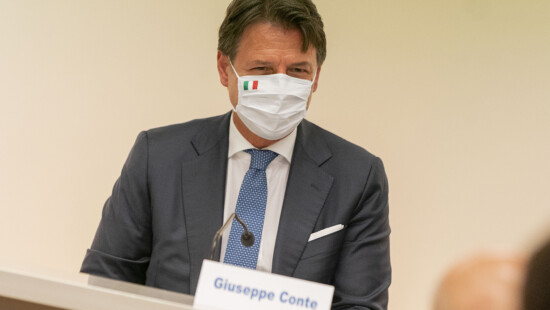
Inopportuno e anche molto poco saggio. Il blitz del governo nel bel mezzo della trattativa tra Tim e il fondo americano Kkr per la cessione a quest'ultimo di una quota di minoranza e senza governance (37%) della rete in pancia all'ex Telecom (Fibercop), non è stato elegante, anzi da un punto di vista industriale, molto poco sensato. Di questo è…
Macron in Libano e quel filo sottile per salvare il Paese

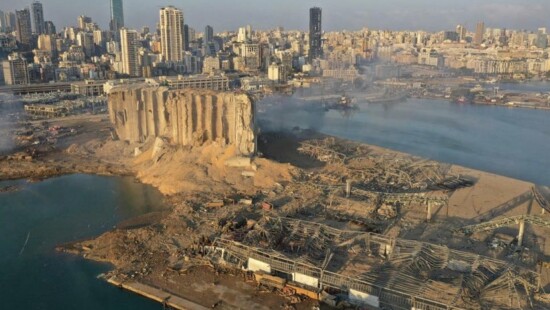
Nelle ore in cui Macron si appresta a raggiungere Beirut, capitale del Libano sovrano e indipendente, si impone un interrogativo: c’è un filo sottile al quale aggrapparsi per salvare il Libano e la sua capitale? Sì, neanche questa devastazione ha chiuso i conti, la mafia non ha ancora vinto contro lo Stato, ma ora non è il Libano a decidere…

Le esplosioni non fermeranno Hezbollah. Il timore di Israele

Il Libano è un Paese fallito, abbandonato dai partner della regione, con una popolazione arrabbiata e risentita verso la politica. Si trova oggi a dover affrontare, oltre a tutto questo e alla crisi sanitaria causata dal coronavirus, il disastro avvenuto martedì al porto di Beirut. Nei giorni precedenti era tornata a salire la tensione tra Hezbollah e Israele, che oggi…
Così abbiamo chiesto verità sul virus. Parla l'avv. Todero (Fondazione Einaudi)

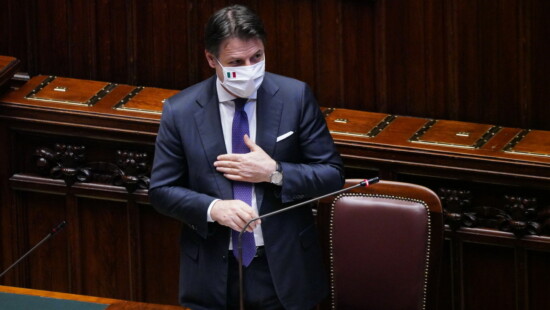
Una battaglia durata mesi. Passata per il Tar, poi per il Consiglio di Stato. Infine, dopo un estenuante braccio di ferro, chiusa con un successo. Questo mercoledì la notizia, in tarda serata: il governo ha inviato alla Fondazione Einaudi via Pec i file con i verbali del Comitato tecnico scientifico (Cts) sulla pandemia del Coronavirus finora rimasti segreti. Non sono…


×

Iscriviti alla newsletter