

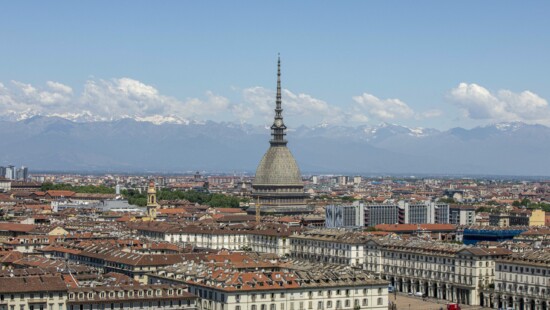
Torino deve ripensare ad un ruolo strategico partendo proprio dal suo Dna e lo deve fare adesso. Il commento di Enrico Maria Rosso, ceo del gruppo HT&L e Rappresentante onorario della Camera di Commercio Americana in Piemonte
Archivi
Pandemia, cercasi coscienza. La riflessione di D'Ambrosio
Di
La rinascita del Paese non può e non deve essere solo economica, ma anche morale. Tuttavia, è dai tempi del Principe di Machiavelli che è iniziata in sede teorica, l’autonomia della politica dall’etica, cioè l’inizio del pensiero politico moderno. L’analisi di Rocco D’Ambrosio, professore ordinario di Filosofia Politica presso la Pontificia Università Gregoriana
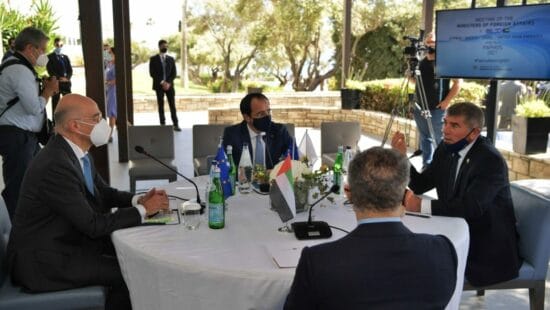
Vertice fra Grecia, Emirati, Israele e Cipro. Convitato di pietra è la Turchia
Di
I ministri degli Esteri di Grecia, Cipro, Israele e Emirati si vedono per parlare della regione… Per ragioni diverse, e con moduli differenti, Ankara è nemica di tutti e quattro. Ecco perché
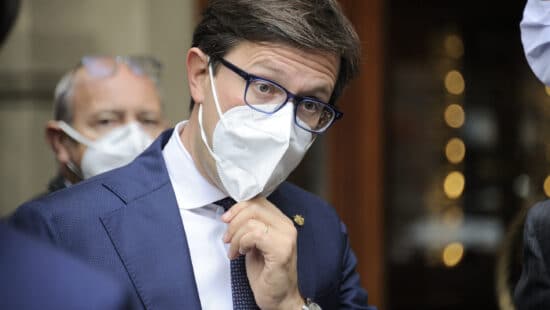
Se fallisce Draghi, fallisce l'Italia. Parla Nardella
Di
Intervista al sindaco di Firenze, Dario Nardella: “Il mancato successo del governo certificherebbe che abbiamo perso tutti i treni possibili e immaginabili per la ripartenza, tanto dal punto di vista sanitario quanto soprattutto sotto il profilo economico”. Nessun dubbio poi sul partito: “Condivido fortemente il metodo e l’atteggiamento con cui Enrico Letta si è mosso da neosegretario in questo primo mese: la priorità è ridare anima e cacciavite al Pd”
Cyber e 007, l'Ue mette il turbo. E l'Italia?
Di
Prima riunione del Centro di competenza per la cybersecurity europea (Eccc) di Bucarest. Da giugno in vigore il regolamento che chiede agli Stati Ue di indicare il loro istituto, per l’Italia c’è al lavoro il Dis. Dopo l’istituto di Conte (affossato), una via d’uscita con l’agenzia cyber proposta da Gabrielli
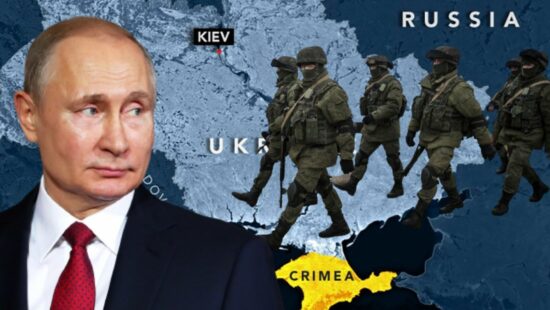
Se in Ucraina Putin si gioca tutto. Quintavalle spiega perché
Di
Una guerra aperta fra Mosca e Kiev non è lo scenario più probabile. L’Ucraina rimane sospesa fra l’ostilità al Cremlino e una Nato che stenta ad aprire le porte. E intanto Vladimir Putin si gioca la più pericolosa partita di poker della sua vita. L’analisi di Dario Quintavalle
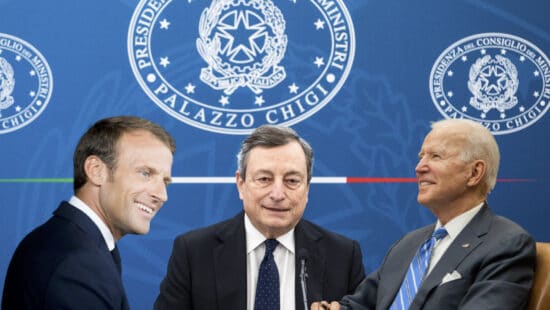
Il vaccino di Draghi? È il suo stimulus plan economico. Parola di Bloomberg
Di
Il premier italiano ha messo da parte timori e indugi per la tenuta dei conti italiani, prediligendo la ricerca della crescita senza compromessi. Deficit e debito sono il prezzo da pagare se si vuole entrare in una nuova era di benessere. E solo così l’Europa sopravviverà allo strapotere di Cina e Usa. Il whatever it takes all’ennesima potenza
Conte ed il gran ballo del né-né. Il mosaico di Fusi
Di
A qualunque livello, centrale o periferico, governare significa scegliere: nessuno meglio di Giuseppe Conte lo sa, visto che ha governato sia con la destra che con la sinistra. E scegliere vuol dire schierarsi, appunto contaminarsi. In altre epoche e lessici politici si sarebbe detto: sporcarsi le mani. L’analisi di Carlo Fusi

Modelli di riferimento con metodologie vincenti e strategiche. La progettualità come innovativa essenza e come programmazione di eccellenza.
Di
«Il teatro non è il paese della realtà: ci sono alberi di cartone, palazzi di tela, un cielo di cartapesta, diamanti di vetro, oro di carta stagnola, il rosso sulla guancia, un sole che esce da sotto terra. Ma è il paese del vero: ci sono cuori umani dietro le quinte, cuori umani nella sala, cuori umani sul palco». Victor…

La Nasa ha scelto. Sarà Elon Musk a riportare l'uomo sulla Luna
Di
Sarà SpaceX a realizzare per la Nasa lo “Human Landing System” per la Luna. La Starship proposta dall’azienda di Elon Musk ha battuto le proposte di Blue Origin e Dynetics, aggiudicandosi un contratto da 2,9 miliardi di dollari. Si conferma un trend: saranno i privati a guidare la nuova esplorazione dello Spazio