
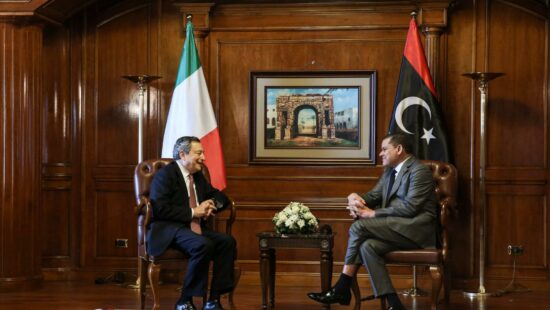
On Tuesday the Italian PM Maio Draghi flew to Tripoli to meet with his Libyan counterpart, Abdulhamid Dabaiba. It was his very first trip abroad as PM, as well as the first visit of a Western head of state to the newly established Libyan National Unity Government (NUG), although it was shortly followed by that of the Greek PM Kyriakos Mītsotakīs.

The visit “demonstrated the importance of the historical ties between the two countries […] this moment is unique to rebuild an ancient friendship and a vicinity which has never known interruptions,” said Mr Draghi after the meeting, before remarking that the Italian embassy was the only one to remain open throughout all the years of the Libyan civil war.

The Italian PM’s trip embodied Italy’s (and, by extension, Europe’s) support for the Libyan reconstruction process, to be carried out according to the path laid out by the UN – the actual cradle of the dialogues that brought Mr Dabaiba’s government to life. The US supports this process, too, although it seems willing to rely on its European partners to mind the matters concerning the Mediterranean while it focusses on the Far East.

Italy is a natural candidate for the Atlanticist projection in Libya and Northern Africa, due to its geographical position and its historical ties to the continent. The Italian foreign minister’s visit to Tripoli just ahead of his encounter with US Secretary of State Antony Blinken suggests that the US sees things this way, too. By engaging directly with Mr Dabaiba and setting out Rome’s plans to make a difference in Libya, Mr Draghi took things up a notch.

In his post-meeting speech, he highlighted the preconditions for success in Libya’s peace process, including the upholding of the ceasefire and free and fair elections in December. Peacekeeping and regional stability efforts will also depend on the activity of foreign forces, such as Russian and Turkish military, and their eventual withdrawal.

Indeed, Libyan stability (or lack thereof) has knock-on effects on the rest of the complex hub of interlinked interests that is the Med (and neighbouring regions, such as the Sahel). One such example is the contested drilling spots in the East Med, where Ankara and Athens nearly clashed – and where Rome and Paris have significant energy interests.

Another key matter is the African emigration flux, which – as Mr Draghi pointed out – begins beyond Libya’s Southern border and then seeps into Europe via Italy through the countries’ coastlines. The Italian PM praised the Libyan efforts to save lives at sea and reminded that Italy was perhaps the only country to keep humanitarian channels open, calling for a Europe-wide approach to the matter.

But Italy’s errands in Libya do not stop there, as Rome is effectively acting as a strategic partner to Tripoli on dossiers which are crucial to its recovery. In fact, Mr Dabaiba called for Italian companies and investors to “consider Libya their home, not just an investment partner,” as he told the Italian daily Corriere della Sera.

In his post-meeting remarks, Mr Dabaiba also signalled Libya’s willingness reopen customs and airports and to restore the country’s links to Europe. Mr Draghi upheld those efforts, mentioning the so-called Highway of Peace, to be built along Libya’s coast with Italy’s aid – a project first envisioned in the Treaty on Friendship, Partnership and Cooperation between Italy and Libya, signed in 2008 between Silvio Berlusconi and Muammar Gaddafi – as a building block of practical collaboration.

“If we want to take advantage of the historical relations between the two countries we cannot but start from the 2008 Treaty,” argued Francesco Paolo Trupiano, Italy’s last ambassador to Gaddafi’s Libya, on Formiche.net. He also noted that the time seems ripe to reopen Italy’s consulate in Benghazi, which was set ablaze in 2006 causing eleven Libyan deaths, so as to amplify Rome’s efforts in the Eastern part of the country.

The wheels are already in motion. When foreign minister Luigi Di Maio flew to Libya he was accompanied by Claudio Descalzi, managing director of the Italian energy company Eni, which has already committed to help with the reopening of oil fields, the intermittent electricity blackouts that still plague the national grid and the energetic industry reconversion towards more sustainable energy sources. And right before Mr Draghi’s visit, a delegation from ENAV – Italy’s national air navigation service provider – made its way to Tripoli.

Mr Draghi’s assertiveness in supporting the Libyan peace process seems designed to broadcast Italy’s status as a recovering – yet trustworthy – power broker in the Med, one that works closely with the rest of the EU and the US and takes advantage of its historical ties to Libya to expedite the recovery process.

Draghi in Libya spearheads support and reconstruction plans

In his first trip abroad as Italian PM Draghi set out Italy’s plans to develop Libya’s stability, ties with Europe, infrastructures, and more. The event chronicles Rome’s increasing status as a Mediterranean centre of gravity

Tassa globale sui profitti? L’Italia sarà al fianco degli Usa. Parla Visco

L’ex ministro delle Finanze a Formiche.net: la proposta di una tassa minima sui profitti generati all’estero è cosa buona e giusta, anche se la paternità è dell’Ocse e non degli Usa. Ora con Washington favorevole dovrebbe essere più facile trovare un accordo. La riforma fiscale in Italia? Non si farà. Non quest’anno, almeno

La spinta cinese sullo yuan digitale può diventare un gran problema per gli Usa

Una moneta digitale cinese può creare una sovranità monetaria parallela a quella del dollaro. Oltre a diventare un ulteriore, potentissimo, strumento di controllo su ogni aspetto della vita dei cittadini. L’allarme del Wsj

Copasir, non si strattonano le istituzioni. Cosa scrivono Fico e Casellati

In un comunicato congiunto i presidenti di Camera e Senato spiegano che la controversia sulla presidenza e la composizione del Copasir deve essere risolta con un accordo fra partiti. Ma il comitato di controllo degli 007 “allo stato attuale può operare nel pieno delle sue funzioni”. Ecco una via d’uscita dallo stallo
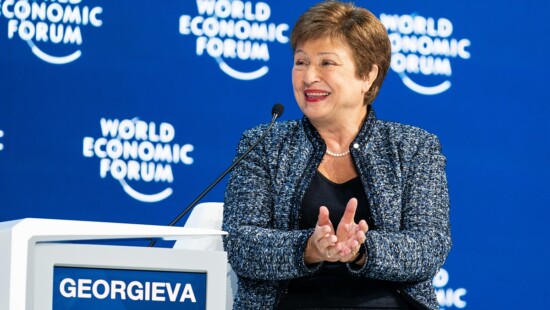
Le economie forti cureranno in fretta le ferite Covid. Le stime Fmi (anche sull'Italia)

Washington rivede in meglio le previsioni di ripresa del Pil per l’Italia nel 2021, al +4,2%, e sul 2022 conferma +3,6%
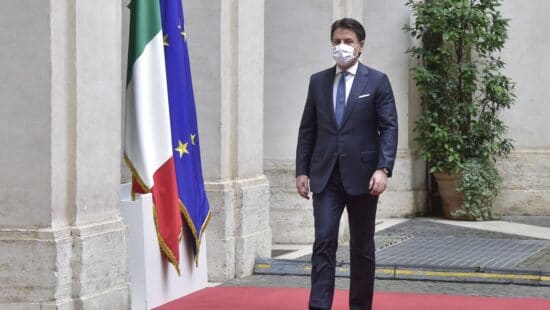
Tutti gli ostacoli sul sentiero del Conte rifondatore. Il mosaico di Fusi

Essere il rifondatore del MoVimento conferisce senz’altro a Conte una agibilità e una presenza insieme concreta e magari insperata. Ma non c’è dubbio che il capo politico dei Cinquestelle è una dimensione difficile da gestire

Sarà virtuale il prossimo Gala della Sons of Italy Foundation

La Sons of Italy Foundation (SIF), braccio filantropico dell’Order Sons and Daughters of Italy in America (OSDIA), nel nostro Paese conosciuto anche come Ordine dei Figli d’Italia in America, celebrerà  il prossimo 28 maggio il suo 32° Gala annuale National Education & Leadership Awards (NELA). Sarà l’attore italoamericano Joe Mantegna, per il 18° anno consecutivo, il maestro delle cerimonie del NELA Gala che, quest’anno vedrà nella…
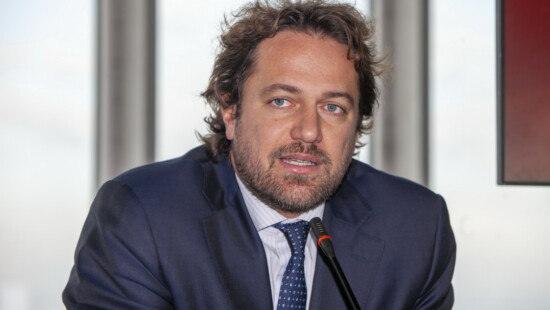
Italia Viva parla col Pd, ma non con Forza Italia (per ora). La versione di Mor

Matteo Renzi rimane ben saldo nel suo ruolo di leader di Italia Viva. Bene il dialogo con il Pd, ma sul Movimento 5 Stelle restano i dubbi. “Per noi è meglio allargare il campo progressista e auspichiamo che prevalga la parte liberale a quella statalista”. Parla Mattia Mor, deputato di Italia Viva
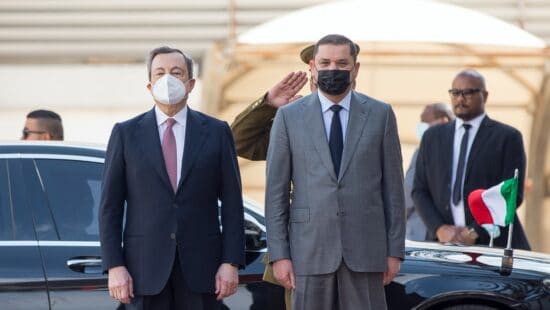
Così l’Italia di Draghi è nel Club Med di Biden. Parla Casini

Draghi ha scelto come primo Paese per un viaggio ufficiale la Libia, dove ha dimostrato di voler dare al dossier una priorità nell’interesse nazionale, ma anche di essere parte dei processi che la presidenza Biden metterà in moto nel Mediterraneo. Conversazione con Pierferdinando Casini

La ricetta Ue per la Turchia. De-escalation, ma su gas e diritti...

Charles Michel e Ursula von der Leyen a colloquio con il presidente turco Erdogan: c’è la volontà di ricominciare da zero, ma il possibile disgelo passa dai problemi economici interni e da una linea più pragmatica di Washington


×

Iscriviti alla newsletter