

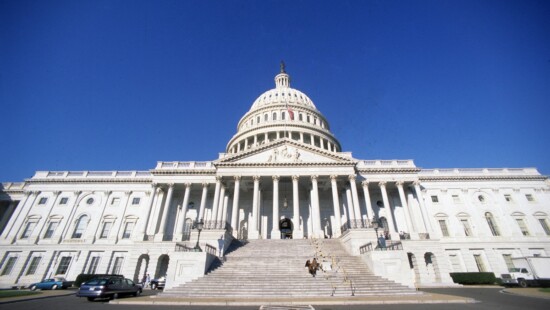
Al Congresso Usa c’è una risoluzione di condanna delle violazioni dei diritti umani in Iran e al terrorismo sponsorizzato dal regime. Un’occasione anche per l’Ue di cambiare rotta. Il commento dall’ambasciatore Giulio Terzi di Sant’Agata, già ministro degli Esteri
Archivi
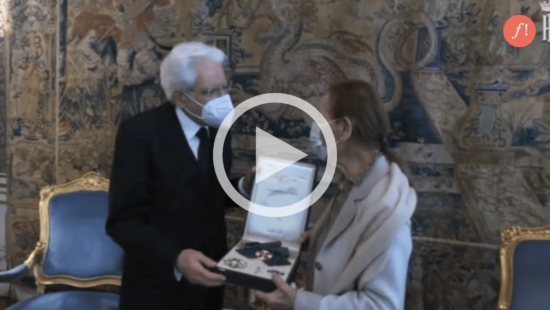
Mattarella riceve Edith Bruck: "Raccontare è un dovere morale". Il video
Di
Mattarella riceve Edith Bruck: "Raccontare è un dovere morale" [embedyt] https://www.youtube.com/watch?v=6dyf_I3II5I[/embedyt] Roma, 29 apr. (askanews) - Il presidente della Repubblica, Sergio Mattarella, ha ricevuto al Quirinale la scrittrice Edith Bruck a cui ha conferito l'onorificenza di Cavaliere di Gran Croce dell'Ordine al Merito della Repubblica italiana. Scrittrice, poetessa, regista di origini ungheresi, Edith Bruck è sopravvissuta alla deportazione nei campi…
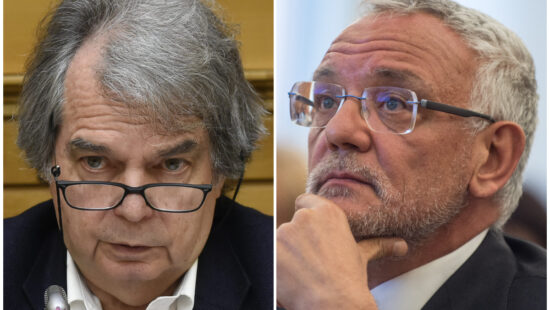
Brunetta dice che l'Italia è bloccata dalle lobby? Risponde Bistoncini
Di
La modernizzazione dell’Italia non passa attraverso la demonizzazione delle lobby, come ha fatto il ministro. Al contrario, si dovrà definire un insieme di comportamenti, prassi, e forse anche norme che permettano di identificare e promuovere i gruppi di interesse per spezzare lo status quo. Scrive Fabio Bistoncini, fondatore e presidente di FB & Associati

Fmi e Banca Mondiale, il monito di papa Francesco sul debito ecologico
Di
Bergoglio ha inviato il suo messaggio agli incontri di primavera del Fondo Monetario Internazionale e della Banca Mondiale. Non gli è stata destinata sufficiente attenzione da molti media e La Civiltà Cattolica ci torna con un testo di approfondimento su come il papa affronta i risvolti socioeconomici, sanitari ed ecologici della crisi pandemica. L’analisi di Riccardo Cristiano
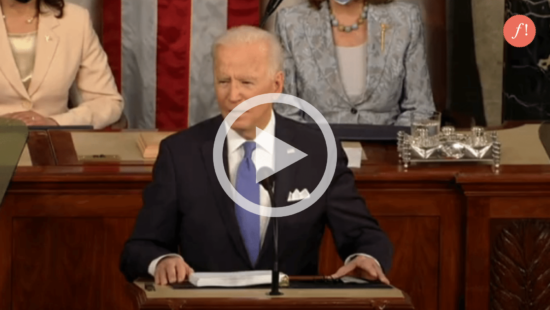
Discorso dei 100 giorni di Biden: l'America si è rimessa in moto. Il video
Di
Discorso dei 100 giorni di Biden: l'America si è rimessa in moto [embedyt] https://www.youtube.com/watch?v=Kt2knWpbob0[/embedyt] Roma, 29 apr. (askanews) - "Ora, dopo soli 100 giorni, posso dire alla nazione che l'America è di nuovo in movimento". Così il presidente degli Stati Uniti Joe Biden ha iniziato il suo primo discorso al Congresso, dopo 100 giorni della sua presidenza che ha dovuto…

Pechino all'attacco di Tencent. Il fintech è di nuovo bersaglio della Cina
Di
Dopo l’attacco frontale ad Alibaba, pronta una multa da 10 miliardi di yuan per il gigante hi-tech, fondato dall’uomo più ricco della Cina. L’accusa è la violazione delle norme antitrust, ma la paura è che si possa ripetere lo schema usato con Jack Ma
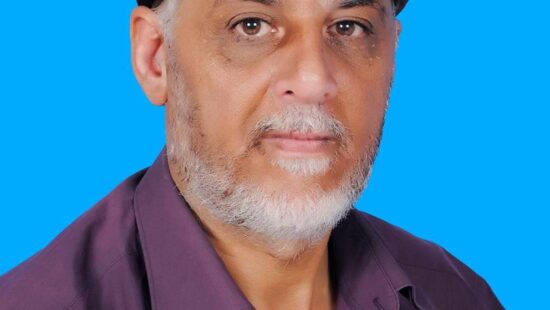
مستشار مجلس النواب الليبي: حكومة الوحدة تعمل على تعديل الموازنة
Di
كشف المستشار الإعلامي لرئاسة مجلس النواب الليبي فتحي المريمي، لمجلة "فورميكي" الإيطالية، أن مشروع إعداد الميزانية الآن لدى حكومة الوحدة الوطنية المؤقتة لتنظر في ملاحظات اللجنة المالية بمجلس النواب وكذلك ملاحظات أعضاء مجلس النواب على الميزانية في الجلسة التي انعقدت بالخصوص. ويشير المريمي إلى الجلسة التي عقدت في الفترة من 19 إلى 20 أبريل الماضي، والتي كان مجلس النواب الليبي…

Rete cyber europea, il Consiglio dice sì. Italia al lavoro per il centro
Di
Il Consiglio europeo ha dato il via libera al regolamento sulla rete cyber che farà capo a Bucarest. A maggio l’ultimo passaggio al Parlamento, poi gli Stati avranno sei mesi per indicare il loro centro. Francia avanti, in Italia c’è il Dis al lavoro
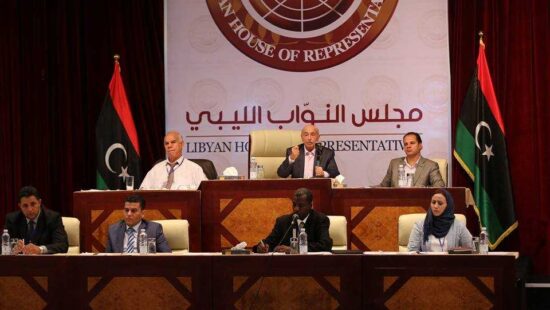
Libia, il governo al lavoro sugli emendamenti al Bilancio. Parla Marimi (HoR)
Di
Il portavoce del parlamento libico spiega a Formiche come procede la votazione sul Bilancio, passaggio centrale per il futuro del paese e del governo Dabaiba
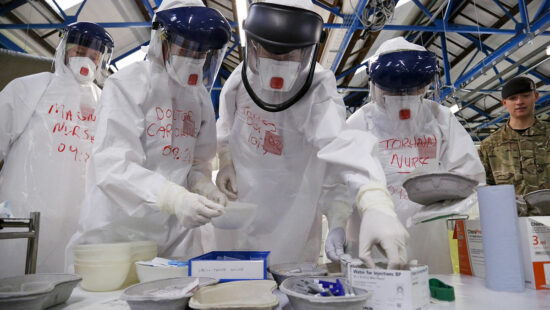
La pandemia ha cambiato il mondo (della plastica)
Di
La durata e l’economicità, due dei maggiori vantaggi della plastica, l’hanno resa il materiale prediletto dalla società moderna. Ma hanno anche creato un problema di sostenibilità globale. Il punto di Nicola De Blasio, Senior Fellow ed esperto di innovazione tecnologica per il programma Environment and Natural Resources della Harvard Kennedy School, e Phoebe Fallon, una studentessa di Scienze ambientali e politiche pubbliche alla Harvard University